WCPA Spring 2026 Newsletter

Article image

Our Spring, 2026 newsletter includes announcements about our newest therapists, marriage workshops available, and WCPA’s 40 year anniversary, as well as articles about customer service in health care, daughters who have lost their mothers, and navigating scams during bereavement.


Healthcare:
Customer Service Needs a Cure

Maria Miskovic, MSW, LCSW, C-ASWCM

Maria Miskovic, MSW, LCSW, C-ACSWCAM

Maria Miskovic,
MSW, LCSW, C-ACSWCAM

WCPA Managing Director

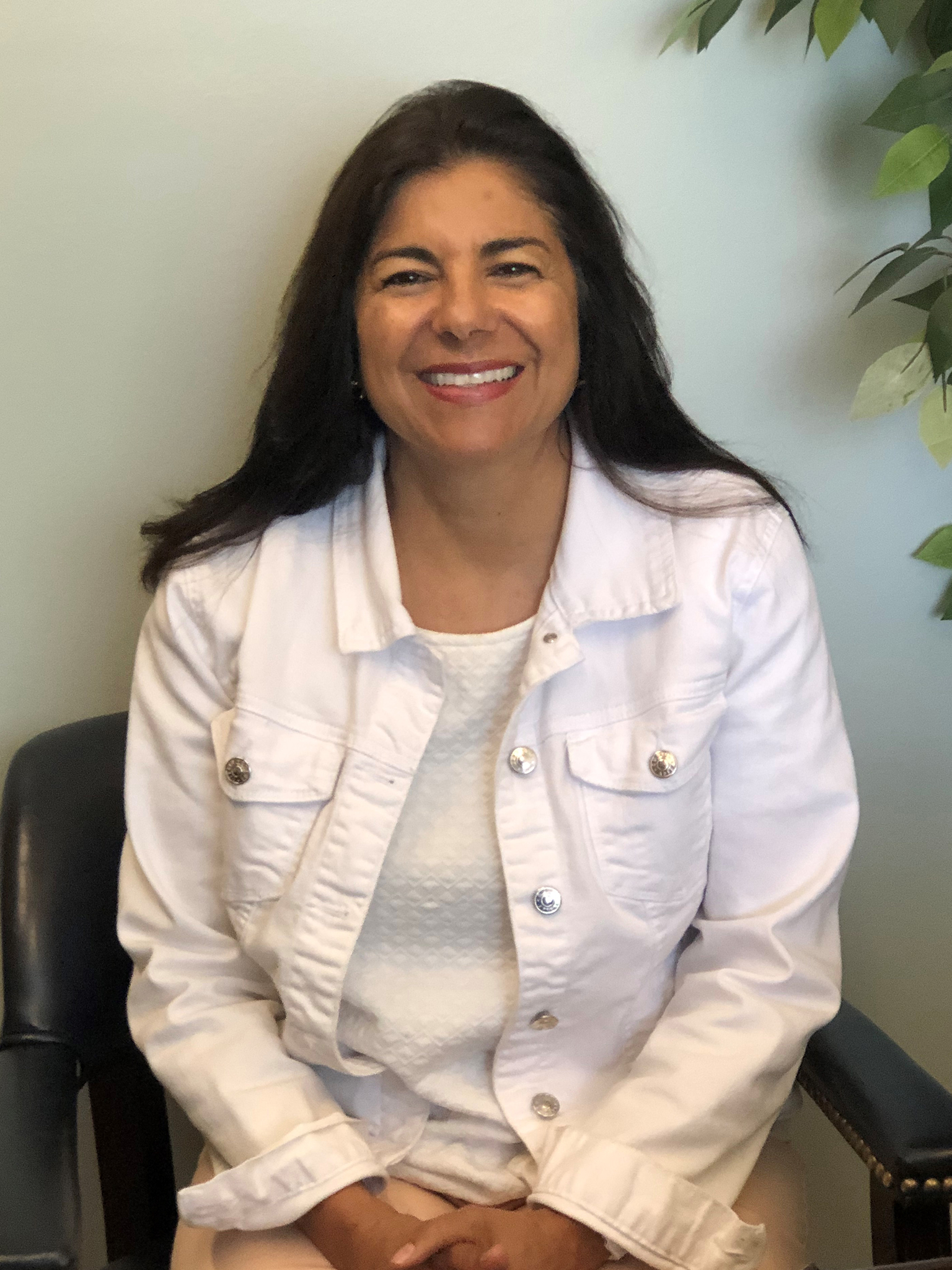
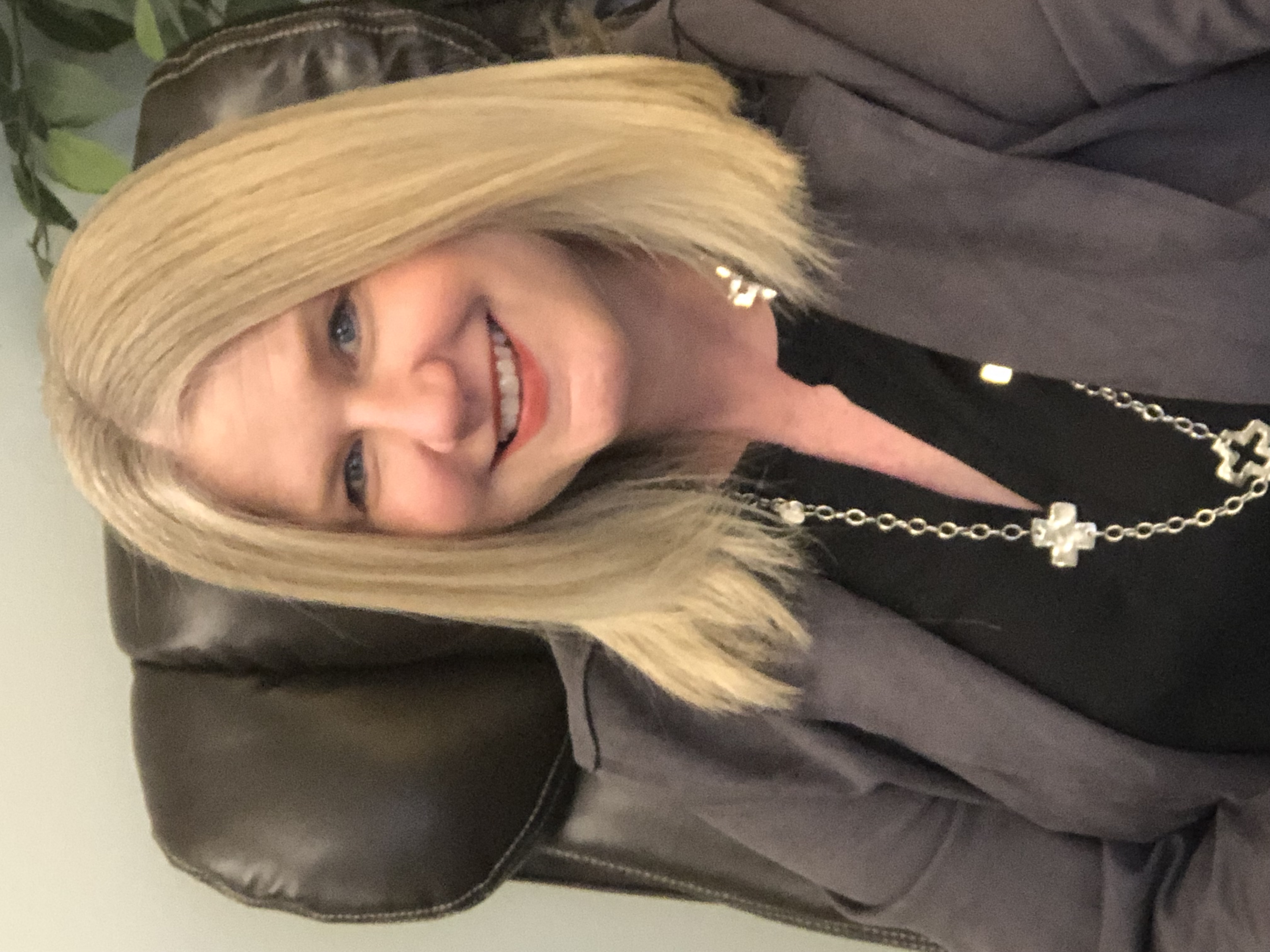
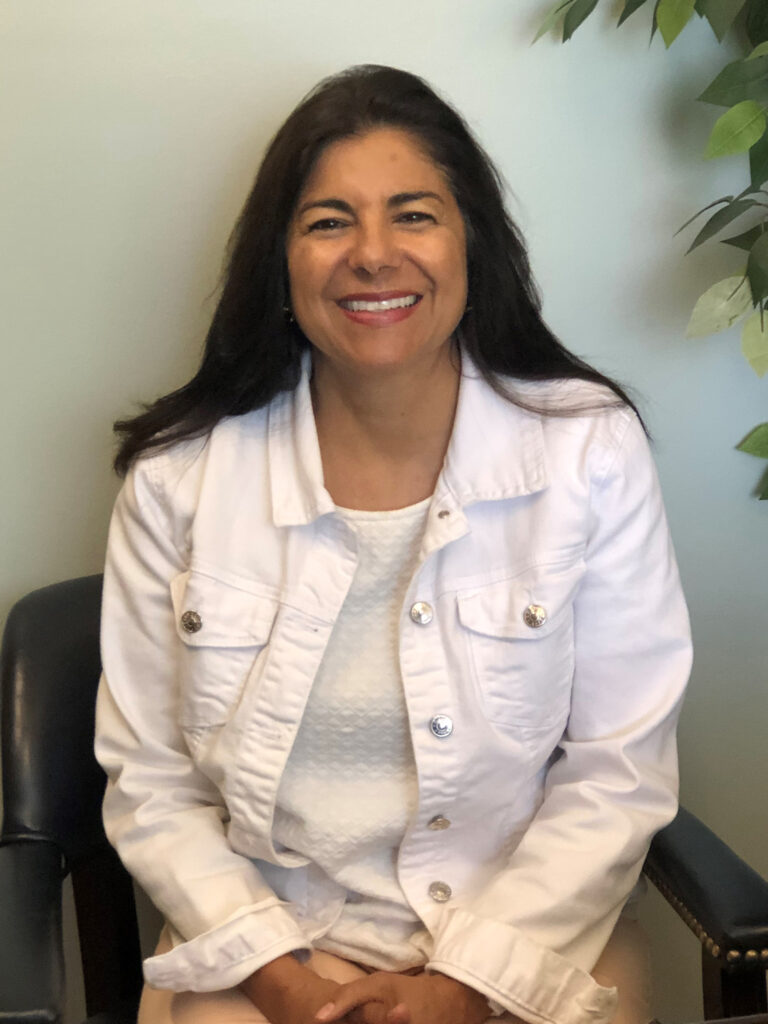
With experience in home care, long-term care, and hospitals, Maria began Care Choice Care Management in 2012. Care Choice focuses on helping people navigate the healthcare systems in a personalized fashion, and is one of the leading practices of its kind in the Midwest. When the prospect of incorporating West County Psychological Associates into the Care Choice family arose, Maria and her husband, Steve, could not think of a better evolution of their original mission to serve others.

As a business owner in the healthcare industry, I’ve witnessed far too many examples of poor customer service—and felt compelled to lead organizations that do just the opposite. Our clients come to us in vulnerable moments. The last thing anyone needs in those moments is to feel dismissed or ignored. 

Unfortunately, strong customer service feels increasingly rare, not just in healthcare, but in everyday life. Over the course of my career—in hospitals, doctors’ offices, and as a care manager—I’ve seen both ends of the spectrum. I’ve witnessed extraordinary compassion, where providers go above and beyond to support patients and families. I’ve also seen startling indifference, where people are treated as problems to solve rather than individuals to care for. Too often, the business of human wellness feels anything but human. In my role as a care manager, I frequently found myself acting as a buffer between providers and families when customer service was the last priority. 

That reality became personal during recent medical visits with my own father. Our experience reflected many of the challenges I’ve seen professionally: unclean environments, overwhelmed and visibly burned-out staff, and a lack of empathy for what he was going through. But there were also bright spots—moments that reminded me why this work matters. 

One ER physician stood out in particular. Despite a packed waiting room and long delays, he took the time to connect with us. He introduced himself with warmth, shook our hands, listened carefully, and even used humor to ease the tension. He treated us as though we were his only patients that evening. That simple act of presence and kindness made it easier to process difficult news and navigate the next steps in my dad’s care. It was a powerful reminder that even small moments of genuine connection can transform an experience. 

I try to approach healthcare professionals with empathy as well. Most entered their fields because they genuinely wanted to help others. But today, many work under intense pressure—shortened appointment times, heavy caseloads, and limited control within larger healthcare systems. Burnout is common, and many providers struggle to feel effective or fulfilled. In many ways, the system itself is unwell. 

So, what defines good customer service in healthcare and mental health settings? A few key elements consistently stand out. 

Empathy is foundational. It shows people they are heard, respected, and taken seriously. Most clients are navigating some form of vulnerability—whether it’s aging and loss of independence, mental health challenges, or physical limitations. While we may never fully understand their experience, taking the time to listen and imagine their perspective builds trust and calms fear. I often think back to a professor who described empathy as “trying to feel what others feel.” That idea has stayed with me throughout my career. 

Personalization is equally important. No one wants to feel like a number or a task on a checklist. Health and mental health concerns are deeply personal, yet the systems designed to address them can feel impersonal and transactional. When providers take the time to tailor care, involve individuals in their own treatment plans, and address their unique needs, outcomes improve. People are more engaged, more trusting, and more likely to follow through. 

Consistency also plays a critical role. Strong, ongoing relationships between patients and providers lead to better long-term outcomes. When individuals feel supported by a team they trust, they are more resilient and better equipped to face illness. There is real power in not feeling alone—in having a consistent presence guiding you through difficult moments. 

Then there is integrity, which goes deeper than a polite greeting or a well-run appointment. Patients need to trust that their providers will follow through and act in their best interest. Yet the reality is that many healthcare interactions are brief and information-heavy. Patients may leave overwhelmed, unsure of what they heard or what to do next. This is why having an advocate—someone who can listen, process, and support decision-making—can be so important. 

At the same time, providers often build emotional walls as a way to protect themselves from the weight of their work. While professional boundaries are necessary, too much distance can prevent meaningful connection. In mental health care especially, progress depends on trust, active listening, and the ability to explore thoughts and emotions in a safe space. True healing requires more than efficiency—it requires presence. 

Delivering a positive customer experience in healthcare is not optional—it’s essential. It’s not just about providing services, but about how those services are delivered. Poor experiences often point to deeper systemic issues, including inefficiencies, lack of support, and widespread burnout. At the same time, even one positive interaction can shift an entire experience. As we saw during my dad’s ER visit, one provider’s compassion made an otherwise difficult situation far more manageable. 

No matter our role, we all have a responsibility to be present, to show empathy, and to recognize the impact of our interactions. In healthcare and beyond, better customer service can restore trust, improve outcomes, and bring renewed purpose to those providing care. 

My hope is simple: that we each make the effort, one interaction at a time. 

Who we are

West County Psychological Associates (WCPA) has been serving this community for over forty years. Our commitment has always been to the quality of our clinical services. We specialize in long-term and sustainable solutions that make a lasting difference in our clients’ lives. Our clients gain insight into family patterns and emotional well-being, build the strength to be in charge of their lives, and improve their abilities to accomplish the goals they set for themselves.

Welcome to WCPA.
~ Dr. Mary Fitzgibbons, Founder


New Therapists at West County Psychological Associates
Appointments available ~
(314) 275-8599 Contact Us


WCPA is delighted to share that new colleagues have joined our practice. With varied backgrounds and areas of expertise, these professionals bring new opportunities to serve our clients, their families, and local schools and organizations with timely and high-quality services. Welcome! 

Danielle McCarty Gorman, MSSW, LCSW

Danielle McCarty Gorman, MSSW, LCSW

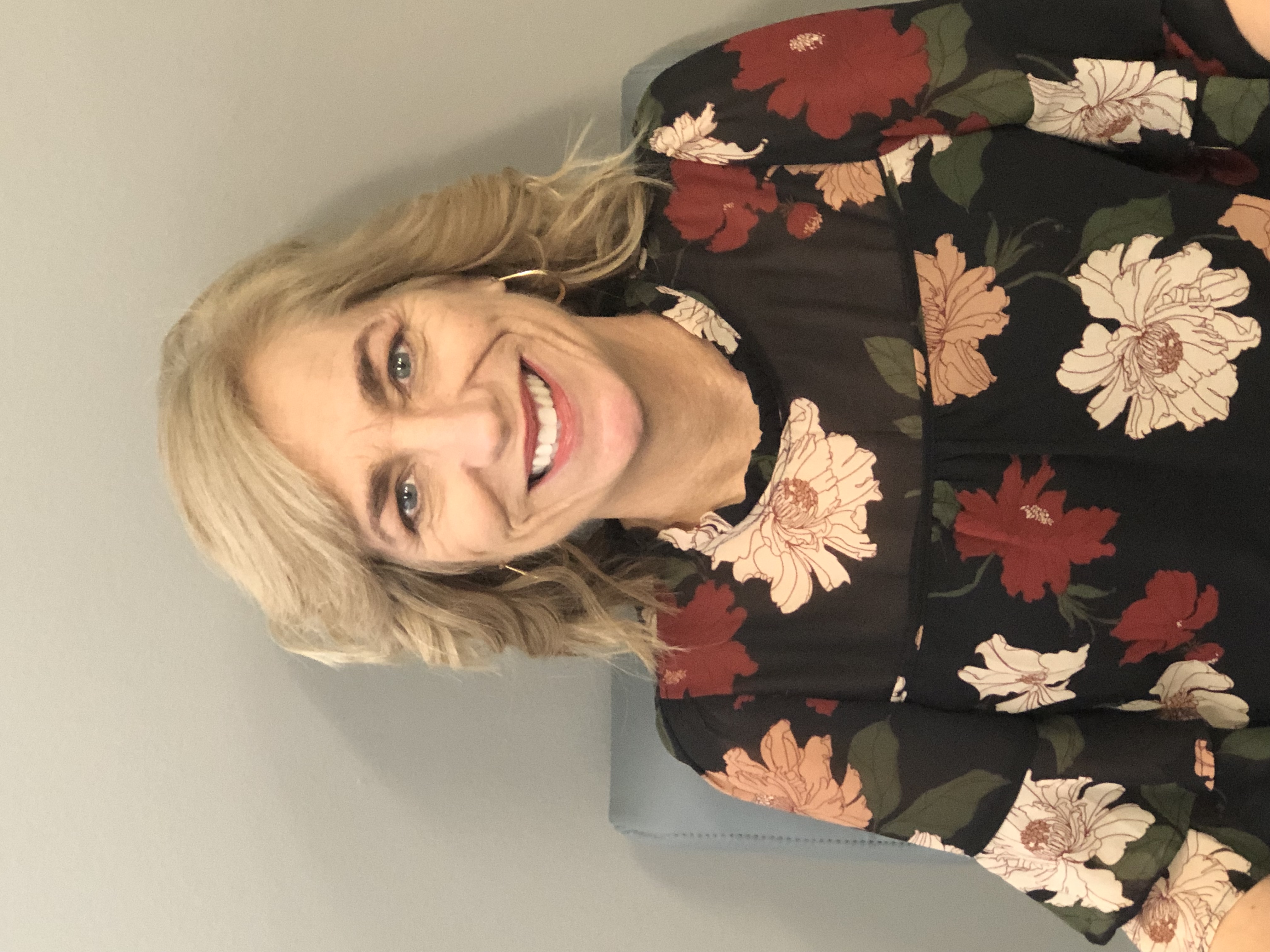
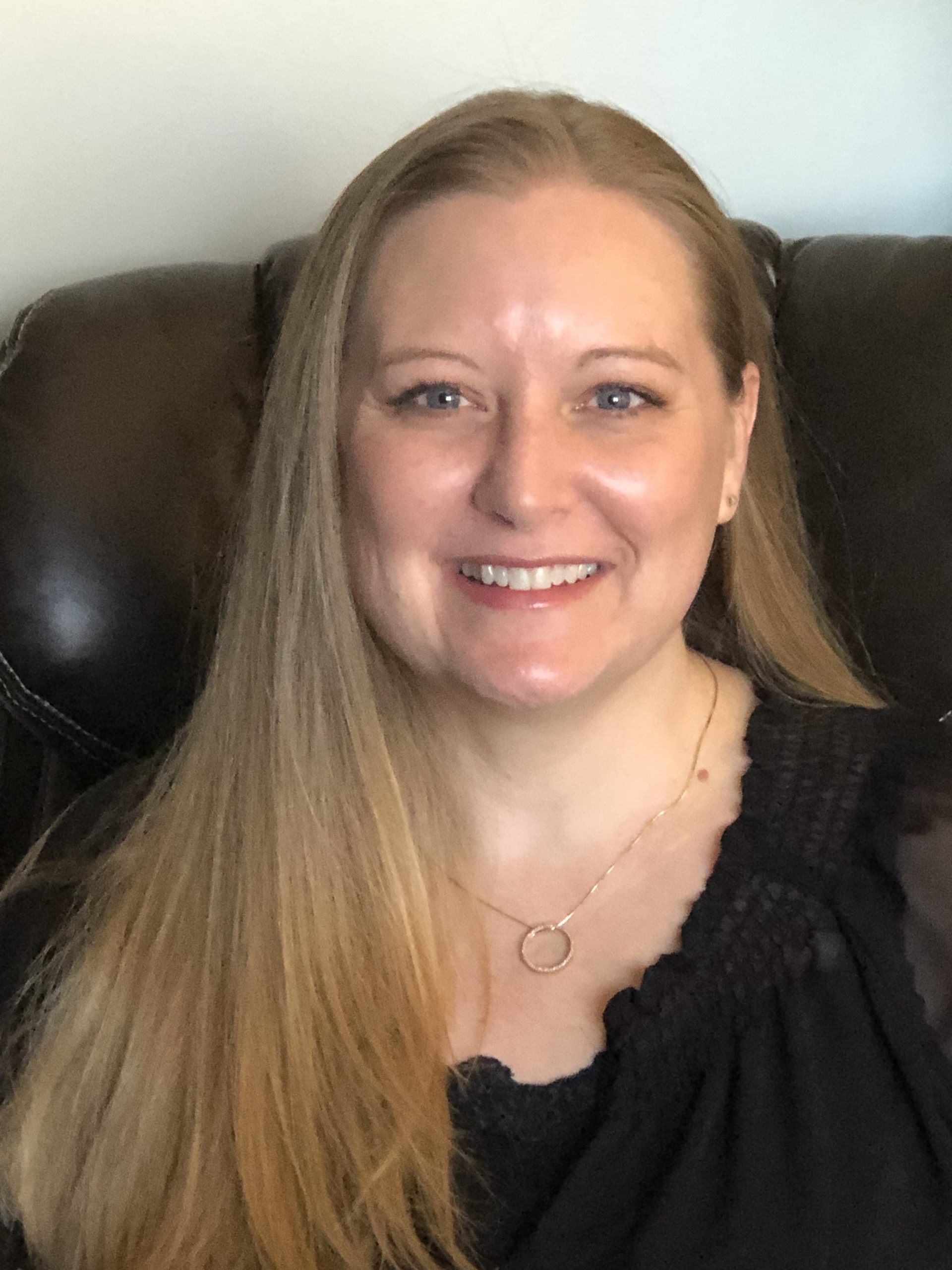
Danielle brings over a decade of experience serving children and families, as a therapist, care coordinator, and case reviewer/advocate. She has significant experience working with adults and teens experiencing trauma, depression, anxiety, life transitions, and other concerns. She also has a passion for working with children, teens, and families impacted by the child welfare system, guardianship, or adoption. Danielle views her clients as complete people beyond their symptoms, and enjoys working together with clients and their support systems to find creative ways to support wellbeing across multiple areas of life.

Amy Fereday, MA, LPC

Amy Fereday, MA, LPC

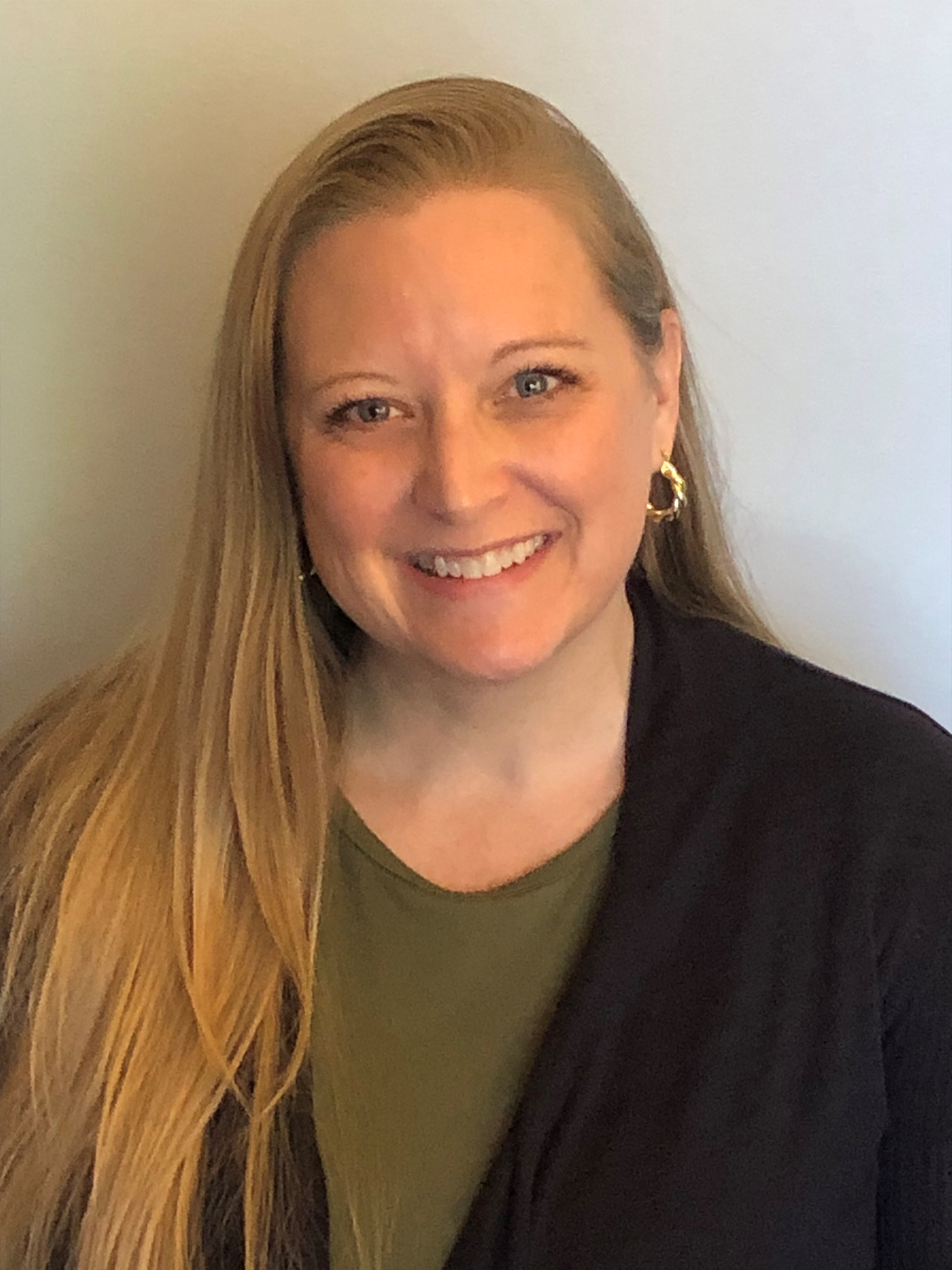
Amy brings over 10 years of experience supporting clients facing anxiety, depression, substance abuse, life transitions, relationship challenges, and trauma. She enjoys working with children, teens, adults of all ages, couples, and families, and is a Certified Trauma-Informed Therapist and trained in EMDR trauma therapy. Amy brings a holistic, client-centered approach and a belief that healing is always possible with the right support. Therapy with her is a partnership, identifying barriers, exploring new perspectives, and developing powerful tools to cope effectively, regulate emotions, and build meaningful relationships.


Motherless Daughters:
Maternal Loss and Emerging Adulthood in Daughters

Kavitha “Kavi” Lakshmanan, MSW, LCSW, CT

Kavitha “Kavi” Lakshmanan, MSW, LCSW, CT

Losing a mother to death at any age can be devastating for a daughter, though the loss can be an opportunity for meaning-making and change, not just hardship, as she finds ways to adapt and transform. This is especially true during young adulthood. 

As with adults, grief in children doesn’t have a timeline. But while adults may be able to begin to come to terms with loss within a relatively brief time, children cannot do so until they are in their mid-20s, says Mila Ruiz Tecala (1942-2016), a noted authority on grief. “It is only at that time that their brains are fully developed that they have the ability to complete the process of reconciling to the death.” They not only need to be given the time to cope without being made to feel baby-ish for having difficulty adjusting to a death, but they also need to be supported throughout life stages and when issues resulting from grief reappear. 

Hope Edelman, author of Motherless Daughters, essayist, and globally recognized expert on grief, writes how the young adult daughter begins to see her mother more clearly as a multidimensional woman with human limitations, strengths and weaknesses. Paradoxically, a successful launch depends on the daughter continuing to have a secure base—usually the nuclear family—to return to at times of stress. Maternal loss can complicate this scenario. 

Daughters also lose their mother as an adult friend, as they grieve the loss of a woman-to-woman camaraderie. Motherless daughters often report a deep void and loneliness in addition to intense reactions around milestones moments such as graduations, Mother’s Day, birthdays, weddings and death anniversaries, as well as around day-to-day stressors and grief. There can be a sense of bittersweet as daughters get to do things that their mothers didn’t have enough time to do. This can lead to a sense of survivor’s guilt, even if the daughter understands intellectually that her mother would have likely wanted the daughter’s happiness and fulfillment. 

Unfortunately, many motherless daughters thus don’t give themselves permission to be happy or joyful. Additionally, some avoid pain or cling to it to keep the loss and their mothers alive. It can take years for daughters to reclaim themselves as individuals deserving of health, happiness and life. Psychotherapy can help motherless daughters learn how to mourn their unique losses by providing a space to build psychological and emotional stability and address the concerns and challenges caused by traumatic loss. 

Within so many young adult motherless daughters, there is a strong desire to reactivate the mother-child relationship, according to Edelman in her book, Motherless Mothers. Motherhood isn’t for everyone. But when motherless daughters do choose to become mothers, the importance of grief work cannot be overemphasized. Parents’ attachment issues affect children’s attachments. A motherless mother who knows that she has not yet mourned her early loss should begin to confide in a safe other—a loving partner, a compassionate therapist, or even a good friend—with both her and her children’s best interests in mind. 

Children need caring and responsive parents. Motherless mothers also need caring and responsiveness so it is imperative to build support systems. Some common experiences of motherless mothers include: concern about not knowing how to be a mother, intense preoccupation that someone will die, parenting styles often labeled as overprotective, commitment to being a good mother, difficulty tolerating children’s intense emotions, sensitivity towards age-correspondence events, and the belief that having and raising a child has been an unparalleled healing experience. 

With connection, community, and support, motherless daughters and motherless mothers can find the courage to mourn their losses and celebrate their milestones throughout their lives. Hoping this Mother’s Day lands gently for those who have experienced grief and loss. You are not alone. 


The Connected Couple:
A Modern Couples Intensive Workshop

A research-based workshop for couples — without the pressure of public sharing.

Now available for churches, parishes, schools, and other organizations and groups
To inquire or schedule, contact group leader Betty Baumann at West County Psychological Associates:
(314) 275-8599 or betty@wcpastl.com

Even the strongest relationships can feel the strain of daily life. Whether a couple is in the “roommate phase,” arguing about the same old issues, or just want to protect the happiness they already have, this workshop offers a roadmap to a deeper connection. 

Important Note: This workshop is educational, not group therapy

  • No Public Sharing: Participants are not asked to share their personal problems with the group. 
  • Private Exercises: All meaningful exercises are done privately between the couple. 
  • Practical Tools: The group focuses on teaching practical, real-life skills. 

Based on Science, Not Just Opinion. This program is grounded in the research of Dr. John Gottman, who has studied thousands of couples over four decades. His findings allow him to predict divorce with over 90% accuracy by identifying the specific habits that distinguish thriving relationships from those that fail. The Gottman Method is based on scientific research and is secular, though it works well for couples of all faith backgrounds. 

What Participants Learn: 

  • Build friendship and trust: The foundation of all intimacy. 
  • Manage conflict constructively: Learn the difference between “solvable” and “perpetual” problems and how to navigate them without hurting each other. 
  • Break gridlock: Move past the issues couples have been stuck on for years. 
  • Create shared meaning: Align goals and values for a lifetime together. 

Who Should Attend? 

  • Couples in a committed relationship (dating, engaged, or married). 
  • Those wishing to enhance a “good” marriage or relationship. 
  • Couples needing better conflict management tools. 
  • Note: This workshop is not appropriate for couples experiencing severe relationship distress, emotional or physical abuse, or unmanaged addiction. If you are experiencing these issues in your relationship, you may contact West County Psychological Associates for therapy services. 
Betty Baumann, RN, BSN, MSW, LCSW,

Leader: Betty Baumann, RN, BSN, MSW, LCSW,
Gottman Seven Principles Program Educator

Betty offers a distinctive blend of clinical expertise, holistic insight, and compassionate care. She is particularly passionate about couples therapy and has completed all three levels of the Gottman Method Couples Therapy training. Her practice is inclusive and welcoming; she enjoys working with all kinds of couples and is skilled in addressing diverse relationship challenges. Her goal is to help every couple feel understood, supported, and empowered to strengthen their connection.


The Relationship Check-Up:
Why Waiting Six Years is Five Years Too Long

Betty Bauman, RN, BSN, MSW, LCSW

In our culture, there is a lingering myth that relationship therapy is an emergency room service—something to be utilized only when a partnership is in critical condition. However, waiting for a crisis to seek help is a bit like waiting for a house fire to install a smoke detector. The most successful couples aren’t those who never face conflict, but those who have the tools to navigate it before it turns into permanent damage. 

Research from the Gottman Institute indicates that the average couple waits six years after problems arise before seeking professional support. Six years is a long time to live in a state of friction. During this gap, what began as a simple communication hiccup can morph into something much more difficult to untangle. When couples wait too long to address these ripples, they often inadvertently create: 

  • Deep-Seated Resentment: Like a slow-growing vine, resentment can wrap around the foundation of a marriage, eventually making it difficult to remember the fondness that was once there. 
  • Emotional Walls: To protect themselves from repeated pain, partners often check out emotionally, creating a distance that feels safer than vulnerability but leaves the relationship hollow. 
  • Ingrained Habits: Negative patterns of interacting—such as the cycle of criticism and defensiveness—become “hard-wired” over several years, making them harder to shift later on. 

Choosing therapy early on – while you still fundamentally like each other and have hope for the future – is one of the most proactive steps you can take. Early intervention offers several profound benefits: 

1. Preserving the “Emotional Bank Account” Early in a struggle, there is usually still a reservoir of friendship and shared joy to draw upon. Therapy helps you stop the withdrawals before you reach emotional bankruptcy. 

2. Building Skills, Not Just Solving Problems Relationship therapy is as much about education as it is about healing. It provides a toolkit for life, teaching partners how to de-escalate conflict before it turns into an irreversible blowout and how to express deep needs in a way that can actually be heard. 

3. Preventing the Point of No Return By addressing small fractures today, you prevent them from becoming structural failures tomorrow. It is much easier to adjust a trajectory by one degree now than it is to perform a 180-degree turn after years of heading in the wrong direction. 

A relationship does not exist in a vacuum; it is the emotional weather of the home. When a couple invests in their bond, the benefits extend far beyond the two individuals involved. 

Emotional Security for Children: Children are highly attuned to the attachment security of their parents. When parents model healthy conflict resolution and affection, children feel safer and more emotionally regulated. 

Modeling Healthy Boundaries: By attending therapy, you show the next generation that it is healthy to ask for help and that relationships require intentional work, respect, and humility. 

Reduced Stress in the Home: Chronic marital tension increases stress hormones for everyone in the household. A healthier relationship creates a calmer, more nurturing environment where children can thrive academically and socially. 

Seeking therapy early isn’t a sign that a relationship is failing; it’s a sign that the relationship is a priority. It is an investment in future peace, family stability, and overall emotional well-being. At West County Psychological Associates, we believe that every couple deserves the chance to grow together rather than apart. The best time to strengthen a bond is while the foundation is still strong. 


Protecting Our Peace:
Navigating Scams During Bereavement

Amy Neu, MSW, LCSW

Amy Neu, MSW, LCSW

I recently read a wonderful article from AARP titled “Criminals Pose as Funeral Home Employees to Steal from Grieving Families” that highlights the issue of grief scamming. While the title gets to the heart of one particular scam, the information shared is a brief guide to various types of fraud that grievers experience today. Over my years as a therapist for older adults and grievers I have unfortunately heard many similar stories that the AARP article illustrates, most of which end with my clients judging themselves harshly and asking, “How could I have been so foolish?!” 

When they finish their story, I validate that anyone grieving is a prime target for these scams. Intelligence or carelessness has nothing to do with being taken advantage of in these situations, and they are not to blame for this victimization. More and more, we are seeing grief-targeted fraud schemes designed to take advantage of people who are mourning. Grief in the immediate aftermath of a loss draws our attention to an enormous amount of paperwork and details, and it takes all of our energy to function and complete these tasks. Over time, grief draws us inward to memories, emotions, and the slow work of adjusting to life after loss. In both of these spaces, it can become harder to stay vigilant about things that once felt routine, like screening a phone call, questioning a message, or pausing before responding to a request. Unfortunately, this is exactly what scammers know and count on. 

When people are grieving, it is common to feel more emotionally open or to long for connection in a way that feels urgent. Concentration can be harder, decision-making can feel foggy, and the usual internal “red flags” may not come as quickly. Scammers are skilled at recognizing these openings. They often rely on urgency, emotional appeals, and just enough personal detail to build trust quickly and convincingly. For example, several years ago I met with a client in an assisted living facility, and she received a phone call asking for her personal information during our session. The caller used another resident’s name (let’s call her Jill) and apartment number as a way to try and build trust, stating that Jill recommended for the caller to reach out to my client to offer this great deal too. Fortunately, we realized the red flag, hung up the phone, and made proper notifications. 

Generally speaking, scams take different forms. Sometimes, someone poses as a trusted person, such as a family member, friend, or even a romantic interest, asking for help or money. Other times, messages or emails appear legitimate but are actually designed to capture passwords or sensitive information. But the scammers that specialize in grief-related frauds use obituaries and social media profiles to gather personal information about a loss, allowing them to create messages that feel deeply personal and therefore harder to question (as illustrated in the AARP article). 

How can we equip ourselves against these types of scams? In the midst of grief, protection does not have to mean becoming guarded or suspicious of everything. Instead, it can look like creating an extra layer of care around ourselves. This might include being more mindful of what we share online, keeping social media accounts private when possible, and limiting the amount of personal information available publicly. It can also mean periodically reviewing our digital footprints and deleting accounts or information that are no longer needed. Strengthening our security in small ways can also make a meaningful difference. Using strong, unique passwords, enabling two-factor authentication, and keeping devices updated with current security software all help reduce risk. It is also wise to avoid accessing sensitive accounts, such as banking apps, while using public Wi-Fi. 

One of the most important protective steps is simply slowing things down. When we receive a message that asks for money, personal information, or urgent action, it is okay to pause, not respond, or hang up. Verifying the source by contacting a person or organization directly by using official contact information can help us determine what is real. Scammers often rely on emotional urgency, but legitimate organizations and people will understand the need to take a moment to confirm. It can also be helpful to stay aware of context. For example, certain organizations have clear communication practices. If a message comes through in a way that does not match how that organization typically communicates, it is worth questioning. When in doubt, even a quick online search can reveal whether others have reported a similar scam. 

If we realize that we have been scammed, the emotional impact can feel immediate and intense. Many people experience embarrassment or shame, thinking they should have recognized the warning signs. But scams are designed to be deceptive, and they succeed because they are well-executed and timed during moments of vulnerability. Again, being targeted does not mean we were careless or “stupid.” It means someone took advantage of a difficult moment. 

What matters next is responding as quickly as we can to regain any funds possible and to build back our sense of security and power. We can reach out to the bank or credit card company to help stop or reverse transactions. We can take steps to protect our credit, such as placing alerts or freezes with the major credit bureaus, to prevent further damage. Change passwords, especially for financial and email accounts to regain control. Report the scam to help protect others and create a record of what occurred. Inform social media platforms or email providers about fraudulent accounts that may contribute to shutting them down. 

Then, it is necessary that we attend to ourselves emotionally and treat ourselves with compassion. Too many people stay silent out of embarrassment, but speaking with loved ones or an experienced therapist alleviates shame. There is nothing weak or naïve about being deceived during a time of grief. It simply means we were human in a moment that required care and were preyed upon instead. 

Grief already asks so much of us. Protecting ourselves during this time is not about becoming hypervigilant. It is about giving ourselves permission to slow down, to double-check when something feels off, and to be supported. We deserve the space to grieve without someone taking advantage of the vulnerability that grief creates. If you or a loved one would benefit from additional support as you grieve, please connect with us or 314-275-8599. 


West County Psychological Associates Logo

Celebrating 40 Years of Caring for Our Community

Four decades. Thousands of lives touched. One unwavering mission. 

This year, West County Psychological Associates proudly marks 40 years of serving the St. Louis community – and we are incredibly honored to have been a part of so many journeys toward healing, growth, and resilience. 

What began as a small private practice with a bold vision for compassionate, high-quality mental health care has grown into one of the region’s most trusted resources for individuals, couples, families, and schools. Through every season of change – in our community, in our field, and in the world – our foundation has remained constant: thoughtful, ethical, and effective care rooted in deep respect for every person who walks through our doors. 

You may notice a fresh new look to our logo as we step into this milestone year – a reflection of where we’re headed while honoring everything that brought us here. 

But what will never change is our heart. 

To our clients, clinicians, staff, referral partners, and the families who have placed your trust in us over these 40 years – thank you. Your stories, your courage, and your partnership are the very reason we do this work. You are this practice. Here’s to honoring a remarkable history, and to continuing to care for our community for 40 more years and beyond. 

WCPA Winter 2026 Newsletter

Article image

Our Winter, 2026 newsletter includes announcements about our newest therapists, as well as articles about Telehealth Therapy, Teaching Kindness, Decision-Making, Fighting Perfectionism, and a Self Like a House.


Online Vs. In-Person Therapy:
Is One More Effective than the Other?

Mary Fitzgibbons, Ph.D.

Mary Fitzgibbons, Ph.D.

Mary Fitzgibbons, Ph.D.
Founder, WCPA

I believe that one of the strengths of this office, West County Psychological Associates, has been the expertise and quality of the therapy practiced here. One way we strive to maintain this standard is through weekly clinical and business meetings, which therapists are invited to attend—and most do. In addition, we hold bi-monthly study groups in which topics relevant to current therapy issues are discussed. Continuing education units are offered for these meetings, as well as for periodic seminars and retreats that provide more in-depth learning opportunities.

One question that has occasionally arisen during these meetings is the efficacy of online versus in-person therapy. Most of us are aware of the rise of online therapy, particularly since the advent of COVID. During that time, many therapy practices expanded by offering virtual sessions. The demand for mental health support increased significantly, and online counseling filled an important need. However, even after the threat of COVID subsided, many therapists continued to practice online – often to the exclusion of returning to in-person sessions.

As of 2025, nearly 70% of therapists work online. Interestingly, 38% of clients report a preference for in-person sessions, 35% prefer online therapy, and the remaining clients opt for hybrid or flexible formats. This raises an important question: Is one modality more therapeutically effective than the other, or are they equally effective?

Traditional, in-person therapy involves face-to-face sessions. These meetings typically take place individually, with a partner, or with family members. Sessions are often scheduled weekly or twice monthly and are held in a therapist’s private office or agency for 45- to 60-minute time blocks. With online therapy, sessions can occur in any location with internet access, eliminating the need to travel to an office. Partners or family members may also join from separate locations if needed. Online counseling often follows the same scheduling structure as traditional therapy.

Clients and therapists alike often prefer one modality over the other, as each has its own advantages and disadvantages. The advantages of online therapy include:

  • Online options provide easier access to therapeutic support for individuals who have difficulty commuting to in person sessions or securing childcare.
  • Online therapy reduces cancellations due to factors such as bad weather, transportation issues, or illness.
  • Telehealth increases accessibility for clients who live in remote areas, have mobility challenges, or maintain busy schedules.
  • Some clients feel more comfortable remaining in their own homes and avoiding the potential awkwardness of an office setting.
  • Online therapy can also reduce overhead costs for therapists, such as office rent and administrative expenses.

The advantages of in-person therapy are quite different:

  • In-person sessions allow therapists to more easily read nonverbal cues that support verbal communication. Body language and facial expressions are often clearer when individuals are physically present.
  • Meeting in a therapist’s office provides a space removed from the busyness of daily life. This neutral setting can increase comfort when sharing personal information.
  • In-person therapy minimizes distractions and interruptions from family members or pets, which often occur during telehealth sessions at home.
  • Certain mental health conditions require direct, in-person therapeutic support. Human interaction with a therapist is especially important for individuals who are suicidal, acutely psychotic, or experiencing crises or severe mental health difficulties.
  • Being physically present together can foster a stronger sense of connection and presence. This shared space can deepen trust, safety, and attunement, strengthening the therapeutic alliance—widely recognized as the key factor in effective therapy.

At present, there are relatively few studies demonstrating that one modality is more effective than the other. However, a 2022 study involving 291 participants found that in-person therapy resulted in significantly stronger therapeutic alliances than online therapy. Therapy is enhanced by what we refer to as attunement. When we are attuned to another person, we are able to resonate with their emotional experience and respond in ways that recognize and affirm their feelings. This connection fosters a profound sense of being seen and understood. Attunement involves a mutual emotional connection, and individuals who attune more easily tend to recognize emotional cues more readily and form stronger emotional bonds. Research in child development shows that when children receive attunement from a parent, they experience a sense of safety and understanding. This process allows them to develop healthy attachment patterns.

At the core of attachment and attunement is the brain—specifically the limbic system, which includes the hippocampus and amygdala. When two people engage in positive social interactions such as talking, empathizing, laughing, or engaging in physical touch, their limbic systems begin to synchronize. This synchronization creates a deep sense of connection and mutual emotional understanding, fostering safety and trust. This process is known as limbic resonance. Limbic resonance forms the foundation of emotional connection and plays a vital role in emotional processing, social interaction, and behavioral responses. Research has shown that without emotional connection, individuals are more vulnerable to depression and anxiety.

Various studies suggest that providing love, attunement, and empathy—whether to family members, friends, or clients—can help reshape and heal emotional functioning. Attunement creates the sense of safety necessary for good mental health. Therapeutic environments, in particular, offer a powerful opportunity to cultivate attunement between therapist and client. This process supports the emotional synchronization that contributes to psychological well-being.

Emerging research also indicates that limbic resonance can occur in virtual therapy settings. To date, there is no evidence suggesting otherwise. Even without physical presence, empathy conveyed through tone, words, and attentive listening can foster emotional connection and understanding that closely resemble in-person interactions. It would be valuable for future studies to further examine whether one modality is ultimately more effective than the other.

West County Psychological Associates is pleased to offer both in-person and online therapy.
You may contact us at (314) 275-8599, ext. 1, to discuss beginning therapy in the modality that meets your needs.


New Therapists at West County Psychological Associates
Appointments available ~
(314) 275-8599 Contact Us

Diane Langer Schwartz, MSW, LCSW

Diane Langer Schwartz, MSW, LCSW

“With a wide spectrum of community-based experience working with individuals and families, I believe change is possible with a collaborative approach. I offer a calm, non-judgmental and respectful environment, and currently see adults of all ages, struggling with depression, anxiety, life changes, and grief. I also regularly serve caregivers and partners caring for someone who has severe mental illness. Clients are welcome to make appointments at the office, virtually, and in the community, which includes in-home sessions as needed. If you have Traditional Medicare, psychotherapy is covered and I am a contracted provider.”

Kavi Lakshmanan, MSW, LCSW, CT

Kavitha “Kavi” Lakshmanan, MSW, LCSW, CT

“I provide individual psychotherapy for adults and older adults, using an integrated approach. I draw from multiple traditions and frameworks, depending on the unique needs and concerns of each client over time. I have been practicing for over twenty-five years, working with people from varied backgrounds over the entire lifespan. My hope is that you feel seen and understood, challenged and supported, as you grow, change and heal. I want to provide a safe and nonjudgemental space for you to unburden yourself and find peace. My work with you is a privilege.”


Teaching Our Children About Kindness

Donna M. Garcia, MS, MA, MSW

Donna M. Garcia, MS, MA, MSW

When we check our calendars, we see that almost every day is now considered a special day. We are inundated with recognized holidays, Hallmark®-created days, days to raise awareness about specific diseases, and other observances. Although we can’t participate in all of these special days, there is one day that might be worth celebrating, not just on that day, but throughout the year. That day is World Kindness Day. This year, the recognized day will be November 13. The purpose of this day is to encourage people to perform simple acts of kindness that positively impact others and their communities. As parents raising children, how do we teach our children about kindness?

Kindness can improve our children’s mental health by increasing feelings of belonging, increasing positive moods, and reducing anxiety. When we perform acts of kindness, the brain chemicals dopamine and serotonin are released, resulting in feelings of happiness, calmness, and reduced anxiety. As the practice of kindness becomes a habit, a child’s self-esteem improves. Kind children become more resilient when emotionally challenging events occur, thanks to the development of a strong support system that their kind acts have fostered.

Model kindness. Remember that what we do and say is noticed by our children, even when we think they are paying no attention. They need to see and hear us being kind to others. For younger children, consider using fairy tales or stories such as The Wizard of Oz. We know the story. As Dorothy follows the Yellow Brick Road, seeking the wizard to help her get home, she befriends characters who are all in search of what they feel they lack: a brain, a heart, and courage. What they learn on this arduous journey, with the help of the wizard, is that they already possess what they think they do not have: wisdom, kindness, and courage. Unbeknownst to them, they have utilized these character traits to encourage one another and conquer the challenges encountered on their journey.

Praise kindness. Another method to teach kindness includes complimenting children whenever you notice them being kind. Be sure you explain why you are pleased with their actions. When teaching children about kindness, it is necessary to remember that children often struggle to understand empathy. Talk about emotions and how others might feel. Caregivers and parents can further achieve this by reading stories and discussing how the characters might have felt, or by engaging in role-playing. For example, we can ask our child how they would feel if they were in the character’s situation. Having this discussion can help children understand and relate to the emotions of others. Explaining empathy and emotions also provides an opportunity to discuss real-life situations, such as their behavior we recognized that prompted the compliment, recognizing when peers may be left out, inviting others to join their activities, and making new friends.

Converse about kindness. As parents, we can turn the family dinner table into more than just a place to eat. It can be a platform for meaningful conversations about kindness. Gather the family together during dinner to share stories of how everyone practiced an act of kindness that day or how someone showed kindness to them. As families, we can also discuss and choose volunteer activities and determine the role each family member will play in practicing acts of kindness. Conversations of this nature enable children to acknowledge and discuss the impact of their words and actions, while creating a sense of connection and involvement.

Modeling and teaching acts of kindness is a great way to help our children develop a sense of purpose, feel happier, calmer, more socially connected, and reduce the risk of depression. A few acts of kindness that children can easily understand and practice include helping a friend with their homework, sharing their favorite toys with a sibling, or providing comfort to a classmate who is upset. What a simple yet powerful way to enhance our children’s resilience mental health.


Therapy-Assisted Discernment:
A helpful process for life’s toughest decisions

Theresa Wiss, MSW, LCSW, M.Div.

Theresa Wiss, MSW, LCSW, M.Div

Theresa Wiss
MSW, LCSW, M.Div

My therapy practice emphasizes providing emotional support and guidance to adolescents, young adults, and adults, specifically focusing on adjustment issues, significant life changes, anxiety, depression, grief, and loss. My passion is to empower clients to identify what is valuable and sacred in their lives, to enjoy a greater sense of connection and belonging, and to find meaning and purpose in their lived experiences.

Decisions, decisions, and more decisions. I read recently that we make literally thousands of decisions every day. Researchers at Cornell University estimate we make over two thousand decisions each day on food alone – coffee with cream or almond milk? Sugar or sweetener? Iced or hot? It’s easy to see how these decisions can multiply over the course of a day.

Many decisions are mundane and we make them on autopilot. Not every decision is critical or life-changing. Some decisions are routine, such as walking the dog, going to work, or providing meals for ourselves and our families. These decisions flow from our commitment to daily duties and our habits and preferences developed over time. These are decisions with a “lowercase d.” Thank goodness we can make these thousands of decisions each day without much thought.

Then, there are some decisions that are more complex, involving difficult and confusing circumstances. Many of my clients have come to therapy seeking support in making lifechanging decisions, such as changing careers, determining goals for retirement, ending a relationship, or whether to undergo medical treatments. These decisions require a greater investment of our time and of ourselves. Decisions of this nature are not easy and don’t always have an obvious choice. These decisions require a process of discernment, because they are not ordinary or routine. The impacts of their outcomes are too important. These are life decisions with a “capital D.” And we all face them – in every phase of life.

Working with a therapist to help navigate “capital D” life decision-making has many benefits ~

  • Discernment Slows Down the Process. The therapist provides a structured discernment process that ensures thoughtful consideration by looking beyond immediate relief. Long-term consequences of various choices are carefully mapped out and considered. Following a clear discernment process can prevent rushing into a decision made from a place of anger, fear, habit, or desperation. Slowing down allows time to identify patterns of thought and behavior that may need to change in order to make a responsible future choice.
  • Discernment Creates a Safe Space. The therapist remains unbiased about the outcome of the decision (e.g., whether to stay in a job or look for other employment). The therapist’s absence of judgement allows the client to consider and explore all potential possibilities without fear of disapproval. This also allows space for creative thinking and for new possibilities and pathways, previously unseen, to open up.
  • Discerned Decisions are Aligned with Core Values. The therapist supports discernment of important beliefs and convictions in order to determine options that best align with a client’s core values. Examining beliefs, biases, and behaviors that are collected and held over a lifetime ensures thoughtful consideration for a well-rounded decision. Discernment allows for sorting and letting go of unhealthy and unhelpful beliefs, biases, and behaviors. It also allows for discovering and honoring our deepest needs, wishes, and desires.

Decisions with a big “D” cannot be made on autopilot – at least not with the expectation and satisfaction of making a wellinformed decision! Big D decisions touch our hearts, reflect our values, and can change the course of our lives. Using a discernment process with a therapist provides structure and clarity for an important future choice.

Every day we are faced with thousands of decisions. Wresting with a “capital D” decision? We can help.


Navigating Perfectionism in the New Year
When preparation turns into procrastination

Lauren Chacón, MSW, LCSW

Lauren Chacón, MSW, LCSW

Lauren’s passion lies in working with adolescents and young adults, guiding them through the complexities of this transformative life stage. She integrates empathy, cultural sensitivity, and experience-based techniques into her therapeutic approach, empowering clients to explore and heal from within.

Have you ever found yourself interested in doing something new, maybe a new goal or a resolution? After hours and hours of research and planning, but before you actually get started, you freeze… or you’re exhausted… or overwhelmed. This new experience gets pushed aside.

I’ve talked myself out of many new activities in the past because of unattainable standards that I set for myself. My desire to “show up well” or to “be fully prepared” has often stopped me from showing up at all.

Once, I had a goal to learn how to ballroom dance. I spent hours researching the best studios and various classes. I looked into different benefits of different studios and types of ballroom dances for beginners. I got so deep into my search that I psyched myself out of joining. I was exhausted by the intense research and overwhelmed by everything that was offered. I developed decision fatigue and imposter syndrome. The more I researched, the more I found I didn’t know about the topic and the more inferior I felt. I told myself I wasn’t “ready” to sign up or commit to a class yet because I didn’t know how to make the “right” (perfect) choice for my needs.

This perfectionist mindset has also impacted the way I showed up in my relationships. Years ago, I wanted to get together with a group of my friends. We were all students nearing the end of our graduate programs, exhausted and low-energy. We were a larger group, so it was difficult to go to a restaurant to sit down and catch-up. The most comfortable setting for us to gather was in someone’s home. Usually, someone would open their home and host a potluck-style gathering. Earlier in the semester, I hosted the friend group. I made sure to “properly” clean the apartment and make an “adequate,” (rather ornate) feast. At that time in my life, I felt that I could only host when I could ensure that my entire apartment was pristine and that I could present my apartment, my cooking skills, and myself exactly the way I wanted to. Unfortunately, that meant hosting felt that it took all of my attention, energy, and resources. As the semester got busier and I didn’t have the capacity to give all of my time and attention to hosting, it felt like that became out of the question for me. I didn’t want to let the people I called friends see me as anything less than pristine. My perfectionistic attitude kept me from spending time with people, sharing, and showing vulnerabilities.

In order to address this, I’ve worked hard to orient my mind around our shared personhood instead of presenting a perfect image to the world. When I stopped focusing on presenting this perfect image, I was able to develop deeper, more meaningful connections and relationships because I could show up authentically. This mindset was also more forgiving of me making mistakes, which meant I could try new things! If you resonate with this, here are some things that I found helpful in my growth toward a more authentic mindset:

Become aware of how your perfectionist tendencies are impacting your life. Some of the ways we can do this is through reflection, journaling, and talking to a loved one or mental health professional. My newfound awareness of how perfectionism played into my life and how this mindset was holding me back encouraged me to recognize the ways it would come up.

Create connections to your goals. Remind yourself about the new activities or experiences you’re hoping for, the values behind them, and how perfectionism creates impediments toward these goals. Making these connections can help overcome the fear of not being perfect. These experiences are important, and you don’t want to miss out!

Practice just showing up. Experience the discomfort and vulnerability that comes with imperfection. By hosting in my less-than-pristine home, more of my friends felt comfortable and even less pressure to host themselves; we were able to see and meet each other in a more authentic way. I learned no one really cared that I had knick-knacks around, shoes in the foyer, or a couple of unwashed dishes. Letting go of this perfect image allowed me to enter into authentic relationships with others and myself. In fact, my friends were honored that they got to see more of me, the real me, and that I let them was a testament to our friendship.

Lastly, give yourself grace and credit for trying. Don’t be a perfectionist about undoing perfectionism! This can look like acknowledging your strengths, the progress you’ve made, and the challenges you’ve overcome.

If you or someone you love is struggling with perfectionism, feeling like you aren’t enough, you are not alone. We are trained to help explore and navigate personal challenges, individualizing our approach to your needs. If this is something you’d like to learn more about, reach out to us at (314) 275-8599.


A Self Like a House

Bryan Duckham, Ph.D., MSW, LCSW

Bryan Duckham,Ph.D., MSW, LCSW

Bryan Duckham, Ph.D., MSW, LCSW specializes in longer-term psychotherapy, using an approach that seeks to heal underlying conflicts or ambivalences that are fueled by unresolved feelings and needs.

In art therapy and dream analysis, a house can become a point of interest for the therapist and client. Often, it is seen as some aspect of the self. It can be helpful to use the metaphor of a physical home to understand life experiences and therapy, to recognize that sometimes homes may only need minor periodic attention and refurbishing, while at other times, they may require major repairs.

Just like homes are exposed to harsh elements, life deals us trauma and loss. There are big traumas (Big T), such as experiencing natural disasters, witnessing or experiencing violence, and serious abuse and abandonment. There are less obvious traumas (little t), such as lack of attunement or support and invalidation of perspective and feelings. We also experience loss. We lose those we love, opportunities, and our own abilities over time. We will all experience some kind of trauma and loss.

Often, people seek therapy when they experience loss or trauma. Sometimes, only a bit of support is needed to help return them to their previous level of functioning, to their old self. To stay with the house metaphor, this would be like replacing a few drafty windows or replacing roof shingles, and would not require any extensive structural work. However, not uncommonly, the life experiences that lead one to therapy indicate a structural problem, or a long-standing pattern that has interfered with the individual’s happiness and fulfillment relative to love and work. This would be like having a cracked or shifting foundation that jeopardizes the integrity of the structure it supports.

When this is the case, more work is necessary between the client and therapist. More time may be needed to bring to awareness healthy and problematic patterns as well as the experiences that helped create them, just as it is in the case of the long and arduous process of major home renovation or repairs. It takes time to surface the unexpressed feelings that drive the problematic patterns – trust must be built so the client can trust that the therapist can tolerate the pain, that the house won’t collapse. Shoring up a foundation or strengthening and repairing cracked walls is not easy work. However, it is necessary to ensure that the structure above it and any investment in it is solid, enjoyable, and inviting. After all, don’t we all want our homes and selves, where we spend the most time with our loved ones, as solid and beautiful as possible?

WCPA Fall 2025 Newsletter

Article image

Our Fall, 2025 newsletter includes announcements about our newest therapist and available principals’ consultation groups, as well as articles about The Anxious Generation, choosing a healthcare decision maker, intuitive eating, and family self-care.


The Anxious Generation and MO’s S.B. 68: Gifts and challenges for our schools and school districts

Amy V. Maus, MSW, LCSW

One of the bestselling non-fiction books of last year was The Anxious Generation, by Jonathan Haidt. This book has taken the nation’s schools and parent groups by storm, bringing a clear message: the combined cultural shifts of overprotective parenting in real life and over-exposure online has produced a devastating shift in young people’s mental health and daily functioning. 

The book outlines a very clear pattern in the research – more time spent online predicts poor sleep, significantly increased depression and anxiety, social deprivation (the more time we spend on screens, the more socially isolated we become), lower self-esteem (especially for our girls), and less successful launching into independent young adulthood, (especially for our boys). In general, whether we are fifteen or fifty-five, the more time we spend on screens, the worse off we are. 

 What has happened to Gen Z’s mental health? Adolescents started getting mobile phones in the late 90’s, but these were “dumb phones” – flip phones, with no apps, no internet connection, no social media, and only the most basic and inconvenient texting capability. On average, the millennials who went through puberty with those phones in their pockets and basic internet connections on their families’ home computers didn’t seem to have any significant change in their mental health. 

But a few years after the release of the iPhone in 2007, Gen Z teens began to get smartphones in droves. Suddenly, young people could be online all the time. It was then that the consequences to mental health really started to mount. Soon after teens started getting smartphones, their rates of depression and anxiety worsened significantly. Adolescents who used these devices the most seemed to have the worst mental health outcomes, on average. Those who spent more time in real-life activities, such as sports and youth groups, tended to do better. 

There seems to be a sensitive developmental period in the tweens and early teens, during puberty, when kids are particularly at-risk for the harms of over-exposure to screens, harms that just don’t seem to affect older individuals in the same way. Today, depression and anxiety rates for adolescents are 2.5 times what they were just fifteen years ago. Emergency room visits for self-harm have doubled. Completed suicides have, in that time period, tripled for middle school aged girls and doubled for middle school aged boys. The same types of changes have occurred all over the western world. 

 As the phone-based childhood emerged, the play-based childhood diminished. Play is how children learn. Outside, physical play, with other children, is the most developmentally beneficial type of play. As the author shares, free play is not coordinated, directed, or even closely supervised by adults – it is independent and progresses naturally, led by the kids themselves. When adults get involved, the play becomes less free and spontaneous, and far more protected from all small risks and disputes. It becomes far less developmentally beneficial. 

In free play, kids learn to handle small social injustices, read social skills, work together, solve conflicts, and take turns. They learn how to negotiate the rules of the situation. They learn how to handle small injuries without overreacting. In short, they become “inoculated against anxiety,” as they learn to cope and gain confidence in themselves and their ability to handle challenging situations independently. 

Unfortunately, the devices and video games that our children and teens use today are so addictive and time consuming that they are engaging in far less free play, and unstructured time with friends has plummeted. Online, virtual thrills and adventures don’t give kids the same anti-anxiety properties of free, independent, play and real-life interaction with friends. The experiences that today’s youth have online simply don’t lead to the same growth in social skills and independence. 

At the same time as technology was changing, parenting style changed as well. One favorite concept from The Anxious Generation is that of anti-fragility. Some things are fragile, like a glass. If it falls, it breaks. Other items are resilient, like a rubber ball. If a rubber ball falls, it doesn’t break, but it doesn’t get any tougher, either. 

But then imagine young trees. Young trees that experience high winds grow up into mature trees that can withstand strong storms. Young trees grown in protected environments, like a greenhouse, however, often fall over from their own weight before they even reach their adult height. They didn’t experience the wind, and their roots didn’t get the chance to strengthen. 

We call this anti-fragility. The concept that, for some things in life, when they experience stressors, they become stronger. And the same thing is true for children and adolescents – they need to experience stressors, challenges, frustrations, and disappointments in order to become healthy and independent adults. 

When today’s generation of parents tries to raise kids where nothing is risky, everything is happy and positive, and no one has to experience failure, or get in trouble, or be left out, or lose, we are harming our children. For some time now, research has shown that children who are helicopter-parented are more likely to be anxious and/or depressed, and are less likely to launch successfully into young adulthood. Children are anti-fragile – overprotected, overparented youth don’t get inoculated against anxiety. They’re like the baby trees that grow up weak because they didn’t experience any wind. 

Unfortunately, overparenting, so-called “helicopter parenting,” is normative today. Hover and rescue, hover and rescue. If we want our children to be healthier, happier, more independent, and less anxious than their typical peer of their generation, we have to intentionally choose to parent differently than the majority of parents around us. 

The book’s author, Jonathan Haidt, recommends four primary reforms: 

No smartphones before high school. We want our kids to get through the start of puberty – that sensitive brain development period – before they have these kinds of devices. It’s painful for parents to hear their children say that they are being left out or that they will be excluded if they don’t have a smartphone. But, he notes, the consequences of having these devices are far worse. The good news is that alternatives are available: kids’ phones and watches that have no internet or social media access. 

No social media before age sixteen. The research is showing that avoiding social media for just a few weeks produces measurable improvements in mental health. Reduced social media use, combined with increased physical activity and real-life social activity, is one of the fastest ways to start feeling better when we’re experiencing mild depression or anxiety. 

Far more unsupervised play and childhood independence. If we want our children to be less anxious, we as parents must make sure that we are promoting a less anxious lifestyle, through independent play, activities, and responsibilities. As parents, we have to practice allowing our children to have independent experiences, so that we ourselves can become less anxious about it. 

Phone-free schools. Cell phones in school are associated with decreased academic performance and increased classroom disruption. With the recent passage of S.B. 68, Missouri’s public schools, teachers, and students have received a truly incredible gift – the expectation for students to be off their phones from the start of school to the end of the school day. In a few short school years, the positive changes in kids’ well-being that may come from these new norms could be amazing, if our schools and school districts have the courage and consistency to follow the new law and known best practice. 

If your school or district is interested in providing a parent workshop about The Anxious Generation for your parent group, please contact Amy Maus at the WCPA office, (314) 275-8599.


Our Newest Therapist

West County Psychological Associates is pleased to share the addition of our newest therapist, Betty Baumann. She joins us with significant education and experience serving adults, couples, and seniors.

Welcome, Betty!

Betty Baumann, RN, BSN, MSW, LCSW

As a dual-credentialed professional – Licensed Clinical Social Worker (LCSW) and Registered Nurse (RN) – Betty offers a distinctive blend of clinical expertise, holistic insight, and compassionate care. Her experience spans both outpatient mental health programs and inpatient psychiatric hospitals, providing her with a comprehensive understanding of mental health across the continuum. 

Betty is particularly passionate about couples therapy and has completed all three levels of the evidence-based Gottman Method Couples Therapy training. Her practice is inclusive and welcoming; she enjoys working with all kinds of couples – married or unmarried, LGBTQ+ or straight – and is skilled in addressing diverse relationship challenges. Her goal is to help every couple feel understood, supported, and empowered to strengthen their connection. 

Beyond couples therapy, Betty finds great fulfillment in supporting individuals as they navigate life’s complexities. She believes in a holistic, nonjudgmental approach that honors both mental and physical well-being, helping clients discover their strengths, wisdom, and greater joy. 

As a Medicare-certified provider, Betty is dedicated to making high-quality care accessible. She offers both in-office and virtual sessions to best meet your needs and preferences. 

Credentials: 
Bachelor of Science in Nursing, University of Missouri, Columbia 
Master of Social Work, University of Missouri, St. Louis 
Completion of the three levels of The Gottman Method Couples Therapy 
Certified trainer of Gottman – The Seven Principles for Making Marriage Work 

Clients: 
Adults, Couples, and Senior Adults 

Contact: 
To schedule, call West County Psychological Associates at 314-275-8599. 


The WCPA Newsletter

Would you like a paper copy of the WCPA Newsletter?
We’d be happy to put you on our paper mailing list. Just let us know: (314) 275-8599 or info@wcpastl.com


Designating a Legal Decision Maker

Maria Miskovic, MSW, LCSW

Maria Miskovic, MSW, LCSW

Have you ever had a family member who made poor decisions due to dementia or declining mental health and you felt powerless to change their mind or get some intervention? Have you ever had a child go to college and you couldn’t get information from the campus health clinic when they were sick? These are two common areas of concern I see in my work as a social worker of thirty years. 

A wise elder law attorney I know regularly preaches the gospel of getting one’s estate documents in order before emergencies pop up. This is true for those of all ages, and not only for financial decision-making, but also for healthcare decision-making. The reality is that, as long as you continue living without a Durable Power of Attorney for Healthcare, the more likely you are to have your fate left to strangers who have no idea what your wishes are, and your family may not have any say in guiding your care if you need it. 

In Missouri, a Durable Power of Attorney for Healthcare (DPOA-H) is free to download through the Missouri Bar Association. 

This form must be notarized in the presence of two witnesses, and ideally copies should be given to your physicians and those you designate as your decision makers. In addition, the Missouri Bar includes a HIPAA Authorization form on their website, completely free of charge. 

I realize that talking about death and dying is not everyone’s cup of tea. I firmly believe it is one of the best gifts you can give your family though, so they are not forced to make these stressful decisions without guidance or direction from you when you are unable to voice your own wishes. There is even a national effort called National Healthcare Decisions Day (NHDD) to create these documents every April 16th – where state and community groups across the country work to educate the public about completing advanced care directives like the Power of Attorney and HIPAA Authorization forms. 

In the Greater St. Louis area, there are often sponsored events throughout the area for NHDD, where community members can receive free support from an attorney or social worker to help them complete these documents. Why April 16th? Well, there are few things certain in life: death…. and taxes. To those of us old enough to know the old adage, it helps remind us to get these advanced directives done on April 16th. It also serves as a reminder that we should check our directives annually to make sure nothing has changed. 

I often encounter many family members who believe they can automatically make decisions for their loved ones, their children, or their spouses, just because they are family. Being a parent or a spouse does not automatically give you the ability to make decisions on behalf of your child or your spouse. Most hospitals are hopefully going to include a next-of-kin in discussions or decision making if there is no legal document in place. However, if there are opposing views or family members who do not get along, it becomes much more difficult for a physician or emergency team to implement wishes for a patient who may or may not have discussed their wishes with family prior to illness. Sometimes the stress of making life or death decisions can bring a person to a breaking point, and it most certainly can bring out every last bit of family dysfunction and conflict that exists. 

I saw these scenarios play out time and time again while working in ICU and ER settings, and saw how essential it became to designate a primary decision maker, and then list a second and third backup where possible. Putting two people in equal power is often ill advised, unless you feel guaranteed that those two can reach the same decision. Likewise, if you have a known history of mental health issues, ask about a mental health directive where you can designate a trusted person to lead you to the help you need if your condition worsens. 

Whether your 18-year-old is headed off to college or you have an elderly loved one whose care needs are increasing, a DPOA is a good idea. I often recommend that you choose an estate planning or elder law attorney to create these documents, and at the very least have them assist with a Financial DPOA to make sure it specifies powers and represents the assets you actually have, not the boiler plate financials that may or may not reflect your portfolio. 

In the case of individuals who do not have family, or have few, if any, people they can trust, consider reaching out to our sister company, Decision Advocates, for a free consultation at (314) 200-5097. Decision Advocates provides legal decision-making services under Powers of Attorney for Healthcare or Guardianship. Decision Advocates staff is also happy to connect you to elder and estate planning attorneys in your area if you do not know where to go. This fall, as the holidays approach, you may have more time with family to discuss these issues that we all will eventually face. At the very least, consider National Healthcare Decisions Day in the coming year, and give your loved ones the peace of mind they need in a crisis. 


From Canned Spinach to Trusting Their Gut: Teaching Kids Intuitive Eating

Angela Cook, MSW, LCSW

Angela Cook, MSW, LCSW

I remember the days of sitting at the kitchen table, staring at a cold pile of canned spinach. I couldn’t leave until it was gone – or slyly hidden under my plate. That was the way food worked back then: you ate what was served or lots of buttered white bread. You had to clean your plate, and feelings about hunger or fullness didn’t matter. Fast forward (more than) a few decades, and kids are being raised in a world saturated with diet and wellness culture, conflicting nutrition advice from TikTok, and constant pressure to eat this but not that. But what if the answer isn’t control—it’s learning to listen to one’s body? 

We were all born with the ability to know when we’re hungry and when we’re full. Just watch a baby—they cry when they need to eat, and they turn away when they’re done. That’s intuitive eating in its purest form. But by the time kids hit preschool age, those cues start to get buried under food rules, distractions from screens, control issues, and outside messages. That’s where parents come in. As parents, we have the chance to protect and nurture that body awareness before it fades. 

Intuitive eating—first coined by Elyse Resch and Evelyn Tribole, and supported by therapists like Judith Matz—gives us a simple but powerful framework to help our kids build a healthy relationship with food. Here’s the thing: it’s not our job to get our kids to eat a certain amount. Our job is to provide the food—the what and the when. Their job is to decide if and how much. That means offering a variety of foods: different kinds of proteins, carbs, fruits, and vegetables. (Some call it eating the rainbow.) It means providing some structure with regular meals and snacks, and letting them listen to their hunger. It also means not using food as a reward, bribe, or punishment. No more, “You can have dessert if you finish your broccoli.” No more shame if they ask for seconds—or leave food untouched. Dr. Phil once said something along the line of, “Kids will eat when they get hungry enough.” 

Mindful eating also helps. We can try and help our kids slow things down and use their senses. By asking questions like, “What does the food look like?” “How does it smell?” or “What does it feel like in your mouth?” We can also talk about where the food came from. A carrot isn’t just good for your eyes—it grows underground, it’s crunchy, and it comes in orange, purple, and yellow. It’s important and helpful for food and mealtimes to be nurturing too. Even though dinner time can be hectic with busy schedules, sharing one meal (ideally daily) with no screens or pressure also helps nurture that positive relationship with food. (Even better when you start with a prayer or other family ritual.) 

Teaching our kids simple hunger and fullness scales are important too. “Are you a little hungry, medium, or full?” Same with fullness: “Are you a little full, full, or stuffed?” Check in before, during, and after meals periodically. This helps build awareness over time. Sometimes kids snack right after dinner because they didn’t eat enough during the meal. Other times, it’s just a habit. That’s where routines like “the kitchen is closed” for one to two hours after dinner can be helpful—not as punishment, but to teach them to feel and understand hunger. 

Some kids do better with mini-meals throughout the day, especially if they have certain types of attention challenges. Others kids need to be gently guided to tell the difference between hunger and other feelings, such as boredom, frustration, or anger. These are all body signals too; we just need to help them listen. And maybe the most important thing we can do is to reject diet culture—for their sake and ours. That means no talk of calories, “clean” eating, or “bad” foods. No talking about being “good” because you ate a salad or “bad” because you had dessert. Don’t talk about your weight in front of them, don’t make comments about theirs, and don’t use the D word! (diet) Model body positivity. Encourage movement that feels fun, not as a way to burn off food but as something that feels good. 

We’ve come a long way from canned spinach. So remember, the goal isn’t to raise perfect eaters, it’s to raise kids who trust their bodies, understand their body’s cues, and enjoy food without guilt. And let’s face it, most of us are still learning this too. If we can give our children a head start for a positive relationship with food, by offering positive role-modeling, nutrient-dense food choices, and stepping back—that’s more than good enough! (Or that’s what really counts.) 


Turning Self-Care into Family Time

Heather Hanvy, MA, CRC, LPC

Heather Hanvy, MA, CRC, LPC

As parents and caregivers, we all want to see our children grow up to become healthy and happy adults. We know that, like adults, when our children are not actively working to manage stress, they may experience physical symptoms (headaches, trouble sleeping, or digestive problems) or psychological symptoms (changes in mood, irritability, trouble concentrating, or difficulty making decisions). We also know that in the long-term they may also be more susceptible to physical and mental illness. So, how do we help them manage their stress while we are also just trying to survive the daily stresses of our own lives? 

One way could be to incorporate self-care strategies into our family routine. This approach would not only work to improve our children’s stress management skills, but could also reduce the stress of everyone in the family with an added bonus of creating space for enjoyable time together. 

Before we move to creating a family plan, it might be helpful for us to have a better understanding of our own wellness habit strengths and areas for growth. We could start by reflecting on the things that we are already doing consistently to take care of ourselves (getting good sleep, getting regular exercise, eating a balanced diet, and spending time with friends/ loved ones) and in what ways we may be neglecting our own needs (not getting enough sleep, not getting regular exercise, not eating a balanced diet, not taking time to engage with friends/ loved ones). Many of us know in theory that we need to take good care of ourselves, but in practice it can be tough to do in the busyness of life. Taking time to understand our own needs can help motivate us and hopefully will make the idea of a family self-care plan even more exciting. 

If the children are old enough to understand and participate, a great next step would be for everyone to sit down and have a discussion about the importance of self-care in maintaining our optimal health, so that we can manage stress and succeed in other important life areas, like work, sports, academics, friendships, etc. There are many resources available online including some great videos to help with explaining things. This may help with buy-in too, if that is a problem with any of our family members. 

Then, we can sit down together to create a family self-care plan. There are many different self-care plan templates available online. Plans that incorporate several different areas of wellness are great, because they help us to think of new ideas to keep our self-care options varied and remind us to think of ourselves as whole people that have many areas that may require attention and care in times of stress. So, consider finding or creating a template that includes several of the areas of wellness. A few are the physical, intellectual, social, spiritual, and emotional dimensions of wellness. 

Some examples of family self-care for these areas of wellness could be: 

  • Physical- play an outdoor sport or a take a hike together
  • Intellectual- take a cooking class together, learn to play a new game as a family, or work together to complete a puzzle/ Lego set 
  • Social- consider volunteering together or attending local events 
  • Spiritual- attend faith services together or create a gratitude and/or reflection ritual for the family 
  • Emotional- share daily high and low emotional moments from the day with each other at dinner 

Finally, we start spending time engaging in self-care activities together! Then, as parents and caregivers, we will know that we are not only managing stress now but also ensuring that our children have a multitude of self-care ideas and practice when they move into adulthood.


Principals of Catholic Elementary Schools are invited to join a

Principals’ Consultation Group

The work of Catholic elementary school principals is personally, professionally, and spiritually rewarding. But it can also be stressful and overwhelming at times, and feel lonely at the top.

In Principals’ Consultation Groups, Catholic school principals and a WCPA therapist meet to discuss challenges within our schools, share support, work to resolve concerns with students, families, or faculty members, and grow administrative skill through peer modeling and problem solving. This process helps in developing an environment of collegiality with other administrators, leading to a sense of feeling encouraged and empowered.

All information shared is strictly confidential.

Format: Groups meet monthly for ninety minutes.

Location: In-person meetings are held at the WCPA office, in Creve Coeur. Time: Groups meet at times convenient to their members.

Cost: $360 to join for the school year. Many principals use Title funds.

For information: Contact Donna Garcia at the WCPA office, 314-275-8599.

Comments from group participants:

“This is the only meeting I look forward to each month!”

“I absolutely love meeting with my principal group. They provide a comfortable, safe environment, allowing us to debrief and share what is on our minds and hearts.”

“I love the sense of community and support from this group.”

Betty Baumann, RN, BSN, MSW, LCSW

Betty Baumann

As a dual-credentialed professional-Licensed Clinical Social Worker (LCSW) and Registered Nurse (RN)-I offer a distinctive blend of clinical expertise, holistic insight, and compassionate care. My experience spans both outpatient mental health programs and inpatient psychiatric hospitals, providing me with a comprehensive understanding of mental health across the continuum. This background enables me to tailor my approach to each client’s unique needs, offering support for a wide range of challenges.

I am particularly passionate about couples therapy and have completed all three levels of the evidence-based Gottman Method Couples Therapy training. My practice is inclusive and welcoming; I enjoy working with all kinds of couples-married or unmarried, LGBTQ+ or straight-and am skilled in addressing diverse relationship challenges. My goal is to help every couple feel understood, supported, and empowered to strengthen their connection.

Beyond couples therapy, I find great fulfillment in supporting individuals as they navigate life’s complexities. I believe in a holistic, nonjudgmental approach that honors both mental and physical well-being, helping clients discover their strengths, wisdom, and greater joy.

As a Medicare-certified provider, I am dedicated to making high-quality care accessible. I offer both in-office and virtual sessions to best meet your needs and preferences.

I look forward to partnering with you on your journey toward wellness, growth, and fulfillment.

For more information on Gottman, please click here.

WCPA Spring 2025 Newsletter

Article image

Our Spring, 2025 newsletter includes articles about listening to your inner voice, managing transitions, avoiding hindsight bias, overcoming loneliness, helping your angry child, and a list of school professional development opportunities for 2025-2026.


Parting Words: Listening to Your Inner Voice

Mary Fitzgibbons, Ph.D.

 I’ve come to the realization that this will probably be my last newsletter article. I have been writing an article for most of the newsletters we have been composing for the last 25 years. I have never seen myself as a writer, and I’ve been incredibly grateful that others have sometimes said kind things about some of my articles. Recently, I have realized that, whether it was writing an article for others to read or in giving a presentation to a group of parents or teachers, I had something that I wanted to tell them – something that was important enough that I wanted them to hear. 

One of the books I am most fond of was written in 1923 by Kahlil Gibran, entitled The Prophet. It was written in prose poetry and tells the story of the prophet Al Moustafa who has lived for twelve years in the city of Orphalese and now his ship is coming to take him home. He is stopped by a group of people who ask him to share his wisdom on varying topics such as Love, Marriage and Relationship, Joy and Sorrow, and Death. There are twenty-six brief chapters on various stages of life. What strongly appealed to me was that there was such wisdom in his descriptions – so much so that I changed my view of how I perceived many of these different stages. For example, in Love and Marriage, he advocates for both unity and individuality in the relationship. We don’t sacrifice ourselves in our relationships, but attempt a balance between being in the partnership and being one’s own person. To give oneself entirely to another is unhealthy. Work is seen as a means of self-expression and fulfillment, where we transcend labor to an act of love. And in regard to Joy and Sorrow, there is such a connectedness between the two that one can’t exist without the other. 

In essence, Gibran encourages us find to our own inner wisdom. He says that the truth and guidance that we search for is truly within us, though most of us choose not to hear it. We don’t trust ourselves to know that what we feel may be the true path. We doubt and question ourselves. What I have also found was that the right path was also the harder path. It was not the easy way. I’ve often spoken to my clients about listening to the voice within us. What makes it so difficult is that we live in a world that distracts us. For example, whose advice would we be more likely to listen to? Ourselves, or a friend, or maybe all the voices that we hear coming from the media? Others’ opinions carry much more weight than ours. We question ourselves, we doubt ourselves. We don’t trust ourselves. We disregard what we hear inside ourselves. What we hear is not clear. It is often the confused words of others. 

The other behavior that I believe deters us from hearing this voice is our reliance on the “should’s” and “have to’s” when making a decision. In most cases, “I should” and “I have to” come from what we assume others want from or for us. This does not allow us to have a clear picture of what we would choose, or more importantly, what we would want. It may be society’s perception of the right choice but, in essence, it may not be ours. In fact, what often happens is we put off making a decision because it is not really our decision. It’s what others expect out of us. 

I found that to better hear this inner voice we need to have a sense of what WE want. We need to ask ourselves the question of what specifically we would choose that would be in our best interest in the long run. The key words in the previous sentence are the “long run.” For example, eating an ice cream cone may be desirable in the short run, but eating three cones in a row would not be desirable in the long run. Or, delaying paying bills may feel good in the short run, but can become very problematic in the long run. We must not be afraid to make distinct choices for ourselves. Some would say that this sounds extremely self-centered. Asking ourselves what is best for us is not selfish. It is coming to know oneself and directing one’s own life but not at the expense of another. There are other ways to connect with our inner voice: 

  • Spend time regularly sitting in silence. Rid yourself of the extraneous voices, whether they be others’ or your own. 
  • On a daily basis, be aware of the choices you make. Be deliberate in your choosing. Know what you want and know what you don’t want. 
  • Be aware of your emotions. They tell us what is going on within us. Remember, feelings, such as anger, are healthy aspects of ourselves. It is not experiencing an emotion that may create a problem, but in how we express our emotions. 
  • Our bodies also give us information as to what we are feeling. When you are experiencing an emotion, be aware of where you may be feeling it in your body. If your chest tightens when you are upset, you know that your feelings are legitimate. Your inner voice communicates through physical sensations like tension or stress. 
  • Journaling can be very helpful. Writing freely your thoughts, feelings, and experiences, without self-editing, can be very revealing in terms of listening to what is going on inside of you. 

I do believe that we all have an inner wisdom. The truth that we seek is within us. I believe that I have been fortunate in hearing this voice. What I realized was that while it was not the easier way of living, it was the better way. It has led to a more fulfilling way of life. 

Mary Fitzgibbons, Ph.D.

Mary Fitzgibbons, Ph.D. I am a licensed psychologist and the Director of West County Psychological Associates (WCPA). I began this practice in 1986, after having worked in education for twenty years. Previously, I had been an elementary teacher, and then a counselor and Guidance Director at Lafayette High School.

Because of my familiarity with working in schools, WCPA began working extensively with numbers of schools in the form of training and consulting with administrators and teachers through Care Teams, doing presentations for parents, and consulting with various business and educational groups. I have also taught counseling/psychology classes at Webster University, Fontbonne University, the University of Colorado, and the University of San Francisco.

One of the great joys of my life has been being able to practice therapy in a way that I believe has long-lasting and effective results. I believe that a good therapist never stops learning. I also believe that the efficacy of therapy comes from the relationship between the therapist and the client. The therapeutic relationship is the basis of what creates change. I have thoroughly enjoyed working with pre-adolescents, adolescents, adults, seniors, and couples. My hope is that this work has been helpful to my clients. I am fortunate in that it has also given me great satisfaction.


Navigating Transitions Well

Lauren Chacón, MSW, LMSW

Our lives are filled with transitions: enrolling in a new school, moving to college, starting a relationship, ending a relationship, job changes, retiring, becoming parents, becoming empty nesters, moving homes, getting sick, losing a loved one and more. One of the reasons transitions, whether big or small, can be so challenging is because they force us to confront change. It is important, then, to find healthy ways to cope with change and adopt strategies to navigate transitions more effectively. 

A client of mine, a senior in high school who was enrolling in a college located hours away from home, once asked me, “How do I know my family will be ok when I leave? … How do I know I will be ok so far away?” It was the first time someone in their family was moving that far from home, and, as with any kind of transition, it was filled with uncertainties. In fact, these uncertainties began to consume their thoughts, so that the idea of this new life stage could no longer be exciting — but became frightening and paralyzing. How did we move from debilitating fear to resilience, confidence, and hope? We identified and processed emotions, brought awareness to personal needs, learned how to communicate their needs assertively, and developed the integral internal belief that they were capable of handling the uncertainties that could arise throughout and after the transition. 

As we work through life changes, here are some ways we can take an active role in managing them: 

  • Identify and process emotions. However you process your emotions, such as engaging in mindfulness, journaling, or talking with a good friend, ask yourself: what feelings, sensations, and emotions do I notice in my body as this transition comes to mind? Your answer might change based on the time of day, your location, what you were doing before this reflection. It could be beneficial to write them down and explore your findings with a trusted loved one or mental health professional. 
  • Communicate openly. Things can get stressful when navigating change and it can be difficult to share personal needs. Maintain healthy relationships by engaging in honest and open communication. Assertively communicate your needs during these changes in ways that are both clear and respectful. Consider using “I” statements rather than “you” statements and make time to ask questions. For instance, if you feel as though you are often the one to have to make major decisions in your relationship, you can say, “I’m feeling alone in this decision-making process. I really appreciate hearing your preferences on the matter. Can you share with me your thoughts?” In addition to sharing your needs, practice listening to the needs of others through active listening. You can do this by being present through your body language and with empathetic responses. 
  • Enhance self-efficacy. As humans, we often overestimate the risk that change brings and underestimate our ability to cope with change. This causes anxiety. When our minds spiral or jump to the worst conclusion, it is important to identify personal strengths and remember past times we have overcome hardship. Building up our belief in our own ability to handle difficult situations can ease the overwhelming nature of change. We can increase self-efficacy by creating a list of personal strengths, remembering specific situations in which we overcame hardships, and by continuing to do things that challenge us. 
  • Accepting limits. During times of change, it is natural to want to take as much control as possible over the situation. However, there are limitations to what is and is not within our control. Accepting that which is not in our control can be arduous and often takes time. Practicing mindfulness techniques, focusing on what is within our control, peer support or connections (affiliated groups, support groups, etc.), and therapy can all be ways to work toward accepting the limitations of our role in a situation. 

essing emotions, improving communication skills, promoting self-efficacy, or working through the limitations of control, we can help you at West County Psychological Associates. 

Lauren Chacón, MSW, LMSW

Lauren Chacón, MSW, LMSW previously worked in non-profit outpatient, hospital-based intensive outpatient, and university settings, navigating the complexities of providing therapy to individuals and families of various cultures and backgrounds. Her passion lies in working with adolescents and adults, guiding them through the complexities of transformative life stages and empowering clients to explore and heal from within.


“Negative Hindsight Bias:” A Thief of Joy in Retirement

Julia Covilli, MSW, LCSW

Julia Covilli, MSW, LCSW

For most of us, retirement is an integral transition into a new stage of life, at which point we tend to spend considerable time reflecting on our lives and the choices we made that have led us to this period. Reflecting on our past during any transitional time can be intense, but it can be the most impactful during retirement – since for some of us it feels like we hit our peak during the middle adult years, and retirement is the beginning of our story’s natural conclusion. Some of us approach and experience this transition with excitement, feeling a sense of accomplishment and preparedness to enter the next stage of life. Others face retirement with anxiety and despair, feeling as though they did not do what they had intended to with their lives and experiencing many regrets. While there are many practical skills that can be helpful in adjusting to retirement, one skill that can play a major role in reducing regret is ignoring Negative Hindsight Bias.

Hindsight Bias is simply the belief that something from our past was more predictable than it actually was, but Negative Hindsight Bias is when we review our past with information we have learned from our later experiences and then become judgmental about the choices we originally made. This typically turns into self-defeating criticisms that make us feel increasingly regretful and frustrated with ourselves. 

Upon entering retirement, Negative Hindsight Bias may look like reviewing our professional career, seeing moments in which we did not advocate for ourselves, leading us not to advance professionally as we feel we should have. Rather than consider that we may not have had the experience to know how to self-advocate, or did not have the resources to take such risks at that time, we simply label those moments in time as failures on our part – leading to regrets, anxieties, and depression. Or, our Negative Hindsight Bias may focus on having taken considerable time to develop a professional career, that took time away from our families and other relationships, sometimes leading to estrangement. We may fail to consider the societal or financial pressures we faced at the time, to work longer hours to better provide for our families. 

Conversely, for those who either chose or felt obligated to choose homemaking as their career, retirement and Negative Hindsight Bias might look very different. These individuals often move from the role of responsible child who cares for their siblings, to the loving parent who cares for their children, to the admirable adult child who cares for their aging parents. If retirement is the action of leaving one’s job and ceasing to work, these individuals may work from older childhood until old age without ever getting an opportunity to truly retire. Negative Hindsight Bias may lead these people to feel like they have not done enough with their lives, they did not leave a legacy of awards and accolades, or they did not meet their full professional potential as adults. They may not take into account all the long-lasting, positive effects they have had on their families and possibly their neighborhoods, churches, and communities. Negative Hindsight Bias can lead some of us to devalue our impacts, often leading to regrets, anxieties, and disappointment in our later years. 

If, instead, we review our pasts taking into account the contexts and available resources we had at the time when we made our choices, we are often softer with ourselves and are more understanding and empathetic to our perceived mistakes. For some, this looks like simple self-reflection with kindness and forgiveness at the forefront of our thinking. Within a mindful, spiritual, or therapeutic space, this may be a more “tangible” practice, in which one imagines speaking to the self from the past, listening to how their past self felt in that moment, and giving them the advice and encouragement they wish they had received at that time. Engaging in intentional forms of self-compassion can make us feel less intimidated about the future, knowing that we can learn from our past and develop ourselves even into our later stages of life. Retirement for many may feel like an end, but it is only the beginning of a new stage of life in which one can thrive. 


Pathways to Connection: Overcoming Loneliness in Older Adults

Amy Neu, MSW, LCSW

Amy Neu, MSW, LCSW

I recently had the opportunity to present the first of several seminars this year on Loneliness with The Senior Learning Institute. It was an incredible opportunity for older adults in the community to come together, learn, and meet others who share a mutual interest in lifelong learning. Questions that we discussed included, “What is loneliness?” “How can we feel more connected?” and “What are steps we can take (as individuals) to enjoy a more connected life?” 

Loneliness is something that many of us experience at different stages in life, but as we age, being lonely can be especially overwhelming. As physical limitations, health concerns, or a smaller social network compound, it can feel difficult to connect and find meaningful relationships. It is important to remember that loneliness is not a permanent state—there are steps we can take to combat it, and that journey begins with kindness, patience, and small, compassionate actions. Below are several tips for taking steps to combat loneliness: 

Foster Meaningful Connections—Even If They Start Small For many of us when we feel lonely, the idea of engaging in social activities may feel daunting. It is helpful to remember that meaningful connections do not always have to involve large social gatherings or frequent outings. Often, it is about creating small, consistent moments of connection. These connections will look different for each of us. Some examples to get us started are making a weekly phone call with a friend or relative, asking the clerk at the grocery store about their day, or waving to a neighbor as they walk or drive past.

Engage in Activities That Bring Purpose Loneliness feels even heavier when we do not feel a sense of purpose. For many older adults, it can be easy to feel “out of the loop,” or that their contributions no longer matter. Engaging in meaningful activities that align with our values—whether it’s volunteering, creating art, or sharing experiences through writing—helps foster a sense of connection to the world around us. A sense of purpose can help alleviate feelings of loneliness and remind us that we DO have valuable contributions to make.

Reach Out and Be Open to Others Reaching Out Often, we hesitate to take the first step in reaching out when we are experiencing loneliness. We feel more vulnerable, less certain, and fear that the possible rejection of another could make us feel even worse. When we notice these negative thoughts, we can remember that other people are also looking for and craving connection. Whether it is offering to help a neighbor with a small task or sending a quick text to a family member, small gestures create ripple effects. Just as importantly, when others reach out to us, it is meaningful for us to be open to their offer of companionship or support. These connections build and can provide a sense of warmth and community that counteracts isolation.

Practice Self-Compassion Loneliness can sometimes feel like a judgment—an indication that something is “wrong” with us. But remember, it is a shared human experience. It is essential that we give ourselves the grace to feel lonely when needed, and trust that, with time, the ability to connect will grow. Self-compassion is a powerful tool that can soothe and help us take those necessary first steps toward reaching out to others.

Sometimes, the burden of loneliness requires a little extra support. Therapy is a wonderful setting to process feelings of isolation and receive guidance on how to create more fulfilling social connections. If you or someone you know is struggling with loneliness, don’t hesitate to reach out to our therapists at West County Psychological Associates for support. 

Loneliness is a powerful human experience, especially as we age and experience life transitions. By acknowledging loneliness, taking small steps to reconnect, and seeking support when needed, we can move through it and create a more meaningful, connected life. There are people and resources ready to help, and there is hope for building a richer future. 


My Angry Child: How Can I Help My Son or Daughter be Less Frustrated?

Tina Murphy, M.A., L.P.C.

Anger is one of the most basic, universal, human emotions. We can feel it just as we feel happiness, sadness, anxiety, or disgust. Anger is rooted in the primal brain, that has been programmed for “fight, flight, or freeze.” It has been honed since the beginning of time for human survival. 

While anger is a normal emotion, and sometimes it’s okay to be angry, the key is how we handle anger and learn from it. One of the best ways we work with the experience of angry feelings may be to understand what our triggers are, what the anger is rooted in, and the consequences of it. We can then cultivate a path forward in managing it. If we as adults understand our own anger better, we might be able to model a more positive way of handling this emotion and help our children understand it. 

In most cases, parents can help their kids understand their angry emotions and learn what to do next time they feel themselves starting to get frustrated. Here are a few strategies to try to teach BEFORE the volcano erupts! If a child can learn to catch and understand their feelings at the simmer point, it could help them learn to channel it in another way. 

Help your child notice their body signals and talk about what they mean. 
Notice the body signals and name the feelings. When you do that, it simultaneously builds self-management skills. “My face feels hot, it must mean I’m starting to get frustrated.” 

Don’t brush over their emotions- even if it feels like the most inconsequential thing. 
Join them in using language like, “I’m sorry you can’t find your favorite socks, let’s look for another pair together,” or “I hear that you’re upset about your favorite socks not being where you thought they were, let’s take a minute in the calm spot, then we can look for them.” 

Practice breathing. Deep breathing can often calm and distract the angriest of children. 

  • The key is to make this a part of your daily routine, so a child is comfortable using this strategy. It can be fun to practice it together on the way to school in the morning or to model it to them when you’re feeling frustrated.
  • Squeeze the Lemons- use breathing and a tension release strategy at the same time. Have them take a deep breath while pretending to “squeeze lemons” in their hands; “drop” the lemons when they release their breath.
  • Get them active! Physical strategies such as jumping jacks, stretching, hopping in place are proven effective in helping young people learn to calm their brains and gain better control over their healthy behavior.

When they’re already upset, past the simmer point and on their way to a meltdown, this is NOT the time to talk. 
They can barely hear you. Their body is in “fight, flight or freeze” mode. At this point the best strategy is to give the space to calm down and revisit what they can do next when they are calm enough to listen. 

Understanding and working with your child to move toward healthy ways to release anger can help deal with everyday frustrations. If you are noticing that your child is continuing to struggle in a more chronic, destructive, aggressive pattern, seeking professional guidance or therapy may be a beneficial supplement to the above strategies. 

Tina Murphy, M.A., L.P.C.

Tina Murphy, M.A., L.P.C. has over 25 years’ experience in working with children, adolescents, and families in a variety of settings. Providing private therapeutic services to children and adolescents is her passion! With each client, she looks forward to watching them learn coping skills and strategies and then apply them to their everyday life. She currently works with clients on a variety of issues, with a focus on anxiety and school-related issues.


Professional Development Available for Schools/Districts

Professional Development

Professional Development presentations are now being scheduled for the 2025-2026 school year. You may call the WCPA offices with questions or to schedule presentations, (314) 275-8599, or contact a WCPA presenter directly. 

Presentations may be led in-person or online. Depending on topic, length of training can last from one hour to full-day workshops. 

Available topics include: 

  • Anxiety in Students and Helpful School Responses 
  • School Anxiety, Avoidance, and Refusal 
  • Understanding Attention-Deficit/Hyperactivity Disorder (ADHD) and Helpful School Strategies 
  • Diversity and Inclusion topics 
  • The Anxious Generation” by Jonathan Haidt ~ a book study for school professionals 
  • Increasing Cultural Competence 
  • Recognizing Blind Spots in Cultural Bias 
  • Using Healthy Professional Boundaries in the School 
  • Building a Culture of Collaboration among School Staff 
  • Dealing with Difficult Parents 
  • Recognizing and Responding to Students with Depression 
  • Stress Management and Anxiety Reduction Strategies for School Professionals 
  • Responding to Anxiety in Preschool-Age Students 

Specialized training in suicide prevention:

  • Youth Suicide Awareness and Prevention
  • Suicide Risk Assessment in the School Setting
  • Counseling Strategies and Safety Planning for Youth Suicide Prevention
  • Suicide Postvention in the School Setting

WCPA Winter 2025 Newsletter

Article image

Our winter, 2025 newsletter includes articles about teen mental health, adult ADHD, AI and therapy, retirement choices, and care management services.


Navigating Teen Mental Health Needs

Heather Hanvy, MA, CRC, LPC

Recently in the U.S., about 20% of youth (ages 12-17) reported suffering from at least one major depressive episode in the past year, with about 13% of youth reporting that they experienced serious thoughts of suicide (“Youth Ranking 2024”, n.d.). These statistics can be very scary to think about, no matter our life situation. They can be downright terrifying when we suddenly find that it is our own teen who is showing signs of depression or hopelessness. Based on these statistics, many of us will find ourselves thrust into seeking mental health treatment and/or crisis intervention services for our adolescents at some point. This can often happen without much outside support, and while navigating our own fears and sadness about learning that our teen is struggling in this way. 

It is crucial for us to take our teens’ mental health seriously, especially if we know that they are experiencing feelings of sadness or depression, or having any thoughts of suicide. It is also important for us, if possible, to remember that there is hope and that seeking mental health services for our teen can help them navigate through this difficult time. Two-thirds of youth with depression who received mental health treatment or counseling reported that it helped them at least ‘some.’ A little over a third (36%) even reported that it helped them ‘a lot’ or ‘extremely’ (“Youth Ranking 2024”, n.d.). 

So, where do we start if we are worried about our own teen? If we are comfortable, we can first start by talking to our teen about their feelings and the things going on in their life regularly, to keep that line of communication open. This is especially important if we have started to notice any changes in behavior, such as no longer engaging in activities that used to bring them joy, withdrawing from friends, changes in eating, and/or sleeping too little or too much. Changes in likes/dislikes, friend groups, and even mood and behavior can be a normal part of adolescence, but it can also be a signal to us that we need to pay closer attention and maybe even do some investigating. 

If we are noticing changes in our teen and are unsure of the significance of what we are observing, we can consider speaking to our child’s school counselor or social worker to gain insight into functioning at school. School counselors and social workers can give us valuable insight into their peer interactions and overall mood and behaviors at school. School mental health professionals can also be a wonderful resource and can help us navigate some of the initial conversations with our teen, if we are feeling unsure of how to start them on our own. 

If we discover that our child is experiencing any feelings of sadness or depression, then we may want to consider seeking out a therapist. Therapy is a great place for adolescents to have the space to explore all of the stressors they are experiencing and to learn important life skills. Therapy can help teach adolescents how to use a variety of coping skills to manage difficult emotions, how to engage in healthy conflict resolution, how to view situations from different perspectives, how to become aware of his/her own role in situations, how to better appreciate personal strengths, and how to recognize unhealthy thinking patterns that may be increasing their distress.

If we find out that our teen is having a mental health crisis, such as thoughts of suicide, then it is very helpful if we have knowledge of local crisis resources. Knowing what is available in a time of crisis can at least give us a little bit of calm in a moment that can be potentially terrifying to us as a parent. Here are some ways that we can get emergency help for a mental health crisis with our child:  

1. Calling 911 If our child or adolescent is experiencing a medical or safety emergency, we should call 9-1-1. When we call, we can let the operator know that it is a mental health emergency and they can utilize mental health trained first responders, if they are available in our area. 

2. Emergency Room We can take our child to any emergency room ourselves, if it feels safe to do so. Several area hospitals have inpatient behavioral health units for children and adolescents. Be prepared that wait times in emergency rooms can be excessive – if possible, go prepared with phone chargers, some snacks or activities, and your own medications that you may need to take. 

3. Urgent Care We can take our teen to a behavioral health urgent care facility. Urgent care facilities that focus on mental health care are expanding in our area, and can offer a way to access physicians and mental health professionals during a crisis without the longer wait times of emergency rooms. 

4. Calling 988 If it is not a medical or safety emergency, we can call the Suicide and Crisis Lifeline at 9-8-8, which will route us to a local behavioral health hotline. The Lifeline allows callers to speak immediately with a mental health professional who is highly trained in crisis intervention, 24 hours a day. If you are uncertain which choice you should make in a behavioral health crisis, accessing the crisis professionals through 9-8-8 is a good first step to get advice and guidance. 

Finally, as parents, it’s critical that we also consider our own self-care. We so often focus all of our energy into caring for our children and pay little attention to taking care of ourselves. It is so important when we are walking through something stressful with our teen, though, that we make taking care of ourselves a priority, too. We may be called upon to be calm while also potentially navigating some very scary and stressful situations as we get mental health treatment started for our teen. This requires us to have our own safe places to talk through our fears, stresses, and frustrations. 

We can always utilize our current support systems, such as friends, family, and faith communities. We may want to consider that our family and friends may also have their own fears and opinions surrounding our teen’s mental health journey and sometimes that might cause us additional stress or leave us not feeling like we can fully open up about our own feelings. It might be helpful in these situations to consider getting therapy for ourselves so that we have a safe space to process our emotions and learn some parenting strategies to utilize with our adolescent in this difficult time. There are also parent support groups that we might find helpful. Support groups allow us to talk through how we are feeling with other parents who are navigating similar situations. 

Heather Hanvy, MA, CRC, LPC

In addition to seeing private clients through WCPA, Heather Hanvy, MA, CRC, LPC provides mental health services in the school setting, including counseling and crisis intervention services to students and their families. She enjoys working with adolescents and adults who are experiencing depression, anxiety, life transitions, adjustment to disability, and stressful life events or trauma. She is passionate about collaborating with clients and providing a safe, non-judgmental space in therapy for clients to feel comfortable being themselves, so they can discover their own strengths and passions.


Understanding Adult ADHD: Breaking the Myths and Finding Your Strengths

Angela Cook, MSW, LCSW

Angela Cook, MSW, LCSW

For many adults, ADHD symptoms look very different compared to how they manifest in children. This often leads to misunderstandings and misdiagnoses, with some people going through life being told over and over that they are lazy, not smart enough, or just need to “try harder.” This message can be deeply internalized, leaving these adults unaware that their brain simply works differently. With the right tools and support, these individuals can thrive and unlock their full potential. 

How ADHD Symptoms Differ in Adults The common symptoms of ADHD in adults often go unnoticed, because they don’t always resemble the hyperactivity typically associated with children. 

In adults, ADHD may look like: 

  • Frequently losing or misplacing items (phone, wallet, keys) 
  • Chronic procrastination, especially with tasks that feel overwhelming or difficult 
  • Challenges in conversation, such as interrupting others and saying inappropriate things (“foot in mouth moments”) 
  • Making hasty, impulsive decisions 
  • Struggling to prioritize tasks and figure out what comes first 
  • Time blindness, which often shows up as frequent tardiness or difficulty estimating how long tasks will take 

At this point, many people—especially busy moms or professionals—might be thinking, “That sounds like me!” However, ADHD isn’t just occasional forgetfulness or disorganization. For a diagnosis, symptoms must have started in childhood, continue into adulthood, and significantly impair functioning in at least two areas of life, such as work, school, self-care, social relationships, or household management. 

The Struggles of Undiagnosed ADHD Many adults with undiagnosed ADHD fly under the radar. Over time, they may develop both functional and dysfunctional coping mechanisms to mask their struggles. Some examples include job-hopping, turning to drugs or alcohol, or avoiding situations that highlight their challenges. Others try endlessly to adopt organizational systems or self-help strategies that never seem to “stick.” 

This cycle of frustration often leads to self-blame. These adults may think, “If I could just try harder to remember things, everything would be okay.” But the truth is, ADHD is not about a lack of willpower or effort. Without the “secret code” to unlock how their brain works, even the best systems can fall apart. Over time, the shame of repeated failures creates a bubble that prevents many people from seeking help. 

Breaking the Myths and Seeking Help A common misconception is, “I’m too old to change,” or, “I don’t want to take medication.” However, treatment options for ADHD have come a long way. While medication is one effective approach, there are also many non-medication helpful options, such as therapy, coaching, mindfulness practices, and lifestyle changes. These treatments can provide the tools to manage symptoms and transform your life. 

It’s never too late to seek help. A diagnosis can provide clarity, validation, and a personalized blueprint for addressing the problematic behaviors and issues that have been holding you back. With the right support, you can embrace the superpowers of ADHD—passion, creativity, empathy, and exceptional problem-solving skills. 

Moving Forward If this resonates with you, know that help is available. Acknowledging the possibility of ADHD is the first step to creating the life you want. Reach out for an evaluation, connect with professionals who understand adult ADHD, and don’t be afraid to advocate for yourself. 

You aren’t lazy, unmotivated, or broken. You’re just wired differently—and that difference can be your greatest strength once you have the tools to harness it. 


AI and Therapy

Bryan Duckham, MSW, LCSW, Ph.D.

Bryan Duckham, MSW, LCSW, Ph.D.

A few years ago, I remember hearing a researcher say that we were still far away from developing reflective and highly responsive Artificial Intelligence. Yet ChatGPT arrived on the scene with lightning speed; along with it have come AI programs that offer counseling. Recently, a “60 Minutes” episode featured the developer of one of these programs. She discussed the successes and the challenges in creating an AI counseling application that is reliably empathic. On the plus side, research psychologist and entrepreneur Alison Darcy rightly pointed out that, “The majority of people who need care are not getting it,” and AI can get it to them sooner. Still, counselors and those seeking counseling need to be asking, “What might we gain and what might we lose by using AI counseling?” 

Most technological advances provide some benefit. AI counseling may reach people who have difficulty accessing or affording traditional treatment. AI treatment that is low-cost or free and available digitally may be the only way one can get help. Often, people who are in a mental health crisis need immediate help. Having a program ready-at-hand could stave off a more serious crisis. Finally, a well-attuned AI program might even, occasionally, be more effectively empathic than an egregiously fallible human being. 

What, then, is there to be concerned about? My lifelong education and experience have taught me to understand that meaningful growth stems from complex interactions between two or more human beings. A brief description of two of these categories of interaction and human need can help us better understand the unique value of a human therapist: 

First, everyone needs a caregiver to idealize, whether that is a parent or a mentor. No perfect one exists. However, an idealized caregiver must be attuned enough to help the child accept the frustration that goes with not always getting the care or things they want. This dynamic of idealization and comforted disappointment contributes to a solid sense of self and to security, to pursue ambitions and goals. It also provides a solid base from which the adult can continue to process the idealizing of others while handling disappointments. This core interactional process is a foundation of productive therapy. 

Secondly, humans need to find people with whom they identify, and from whom they can discover inspirational goals. Caregivers uniquely provide this modeling and reflection. As children grow into adulthood, they must find mentors, teachers, or others to assist them in the process of becoming a unique self. As in the case of the first dynamic, this interactional process is activated and imitated successfully in the therapeutic relationship. 

It is hard for me to imagine that a computer program could fully, successfully provide these two critical, developmental, and healing interactions. An overreliance on AI counseling will likely lead to deficits in these two areas. The process of idealization invariably includes unique human non-verbals – voice, tone, facial and bodily expressions. Having humans to look up to, while also acknowledging and experiencing their imperfections, is essential for humans. They allow us to accept ourselves and others as imperfect while maintaining healthy relationships. They also allow us to risk failure and imperfection as we take risks in order to become who we are meant to become. 

AI programs today cannot mirror the panoply of human characteristics and possibilities for one’s life. I remember my own experience with my mentor. His interest in philosophy, psychology, and theology reflected a nascent interest of mine and allowed me to develop in these areas. Looking up to him enhanced this process. How can a computer program construct an algorithm that includes all aspects of humankind if we are unique and ever-evolving? 

Even if these programs could be made to provide optimal empathic responses (and we are far off from that), by failing to serve in these two critical developmental tasks, AI runs the risk of leading to an undesirable conformity. Without supporting uniqueness in development, we could be pushing humankind toward an unhealthy, and severely limited, vision of the world. 

Some say these artificially intelligent therapists are coming whether we want them to or not. The philosopher Yuval Harari in his book “Sapiens” even entertains the notion that we may evolve into some sort of hybrid human-computer. I hope not. My hope is that we always aim to use technology to enhance what is best about being human. Perhaps AI counseling programs will do just that. How can I know? After all, I’m just an evolving human. 


Retirement: What Do I Do Now?

Julia Covilli, MSW, LCSW

Julia Covilli, MSW, LCSW

According to the United States Census Bureau in their article, “America is Getting Older” (2023), in 2022, roughly 17% of the national population was 65 years old or older, meaning now, all of those people are eligible for full social security benefits (as 67 years old is considered “full retirement age”) and are considering or already have retired. This is a significant proportion of our population transitioning into a new phase of their life, with many questioning, “What will I do now?” 

As with any life transition, some people move through it with grace and determination while others struggle to accept the new direction in which they are heading. It can be intimidating for those individuals to decide what they should do with their time and how they are “supposed” to be living their life at this stage. Much of this mentality and resulting anxiety can be traced back to childhood and the generational expectations placed on these individuals. 

According to Natasha Rezende of the Only Child World blog, “The parenting style of the Greatest Generation was characterized by strict discipline and a focus on conformity. Children were expected to obey their parents and conform to societal norms.” A substantial proportion of the baby boomer generation was raised in households in which emotions were not allowed, one did not discuss personal problems with anyone, and mental illness was perceived as weakness. With parents who put a heavy focus on conformity, children had less freedom to express themselves and discover their passions. 

It is through feeling and expressing our emotions and dreams that we discover what we like about the world and ourselves. If someone spent most of their childhood being told their enthusiasm was too much and exhausting; or their disappointment and frustration was too dramatic; or if they cried, their parents would ‘give them something to cry about,’ then they were less likely to discover their dreams and passions. This experience, for many, resulted in either failing to realize their passions and potentials or being too anxious about disapproval to pursue or explore those avenues. 


If we stop earning money or stop putting the needs of others before our own, what are we producing? Where does our value go, when we start living for ourself? 

Caregiving expectations have also defined this generation. Of women born in 1960, 33% had their first child between the ages of 20-24, and 24% had their first child between the ages of 25-29. Only 16% did not have children. Most baby boomers moved in with their spouse after marriage, from their family home, and had children soon after – leaving them little to no time to live on their own and explore their preferences as an individual. They went from balancing the demands of their parents, to the demands of their marriage, and soon after the demands of their children. 

When do individuals who grew up with these expectations – to caregive for everyone but themselves – find the time or confidence to consider what they love and how they want to spend their time? Many individuals in today’s retirement generation have spent much of their lives in a state of people-pleasing and putting the needs of others before their own. This is particularly true for women, who are socialized to caregive and prioritize others. The retirement generation helped care for their siblings as children and have cared for their spouses and their own children as adults. They are now being expected to care for their aging parents, maintaining the status quo that the needs of others supersede their own and it is not only inconsiderate but also irresponsible to prioritize themselves. 

When your family of origin emphasizes conformity and people pleasing, it tends to lead to a mentality that humans are to gain and maintain their value based on how much they produce, whether that be through earning money and producing financial security or producing happiness for those around us. If we stop earning money or stop putting the needs of others before our own, what are we producing? Where does our value go, when we start living for ourself? Is following our passions or trying something new “productive”? Can we value our own strengths and abilities without frequent validation from others? 

As the life stage of retirement begins, how can individuals start prioritizing their own needs to live the life they want to live? Some of those ways may include: 

  • Setting boundaries – according to Ayushi Mathur from Health Shots (2023), “By setting boundaries, you’re showing yourself that you value and respect your own needs. Setting boundaries also helps prevent burnout and emotional exhaustion. It helps you avoid taking on too much, or things that don’t align with your values or priorities.”

    Setting boundaries involves identifying your personal values and aligning with them. If this feels arduous, reflect on times in which you have felt exhausted or resentful towards someone after interacting with them. A common boundary violation consists of others having unrealistic expectations around time management and caregiving. If you feel someone does not respect your time by anticipating you will accommodate their every whim, setting boundaries can help maintain a healthy relationship and your own mental health.

    The act of saying “no” to unreasonable demands without self-imposed guilt can be incredibly empowering. Expressing to another person how their behaviors affect you and explaining how you would prefer they act towards you can help give that person a guide to treating you more appropriately. Expect to have to assert your boundaries more than once, because habits are hard to break and people do not always agree with others’ boundaries. This can feel daunting, but the more we assert our boundaries, the more confident we become to hold firmly to them.

  • Practicing self-compassion – Dr. Kristen Neff writes, “Self-compassion is simply the process of turning compassion inward… Research indicates that self-compassion is one of the most powerful sources of coping and resilience we have available, radically improving our mental and physical wellbeing. It motivates us to make changes and reach our goals not because we’re inadequate, but because we care and want to be happy.”

    Can you recall having someone in your life who seemed to always see the worst in you and consistently debased your efforts? Consider for a moment how they made you feel. Now let’s compare that to times in which you have received constructive criticism (or feedback that highlights mistakes in a way that gives us hope that we can improve). How did that constructive criticism affect your attitude toward yourself and that person? When we see ourselves as ever growing, learning, and changing individuals, we feel more confident to try again or try new ways of doing things rather than wanting to give up or give-in to self-criticism. Self-compassion involves unlearning our self-critical ways and practicing new, compassionate ways of treating ourselves to enhance our self-confidence and self-perception.

  • Practicing self-care – Many people believe that self-care consists of bubble baths and massages, but it is so much more than that! Self-care is the act of doing things to improve our overall health and well-being. According to Dr. Matt Glowiak in his article, What is Self-Care and Why is it Important For You? “Engaging in a self-care routine has been clinically proven to reduce or eliminate anxiety and depression, reduce stress, improve concentration, minimize frustration and anger, increase happiness, improve energy, and more. From a physical health perspective, it has also been clinically proven to reduce heart disease, stroke, and cancer. Spiritually, it may help keep us in tune with our higher power as well as realize our meaning in life.”

    For some, self-care looks like exercise, being outdoors, taking a much-needed nap, or talking to a close friend or therapist. An introverted person may gain back their energy reserves by taking some time alone to do a hobby or meet with just one or two close friends or family members, while an extroverted individual may feel restored by participating in a social event like joining a local club, intramural sports team, or religious organization. Engaging in activities that improve our mental, spiritual, and physical health sets us up for success in all other areas of our lives, including being able to be there for our loved ones.

  • Avoiding comparing ourself with others – This is a daunting task for most, since societally we are conditioned to prove our worth by being the best and competing with others. However, just as self-criticism depletes our self-esteem, comparing ourselves to others debases our real accomplishments and reduces our confidence. To avoid comparisons, it is helpful when we engage in these key skills: identify strengths and lean into them by setting personal and attainable goals, practice gratitude, challenge negative thoughts and reframe thoughts more accurately and honestly, and manage social media through following people who inspire and unfollowing those who trigger comparisons. Comparing ourselves to others takes place in real world experiences and on social media, so taking social media breaks can be just as critical in improving our self-esteem and confidence as any other choice to reduce social comparison.


There is no right or wrong way to be retired. For those in the midst of this life transition, try to remain intentional in giving yourself grace. People spend their entire lives building up who they think they are and want to be. Retirement dramatically changes that. It challenges individuals to reconsider much of their identity and purpose in this world, which can be intimidating, but if people take these in stride and allow themselves to explore all that they can become, retirement can be just as invigorating of a transition as any other experience one has in their lifetime. 

Julia Covilli, MSW, LCSW enjoys providing therapy to adolescents, adults, and seniors with a wide variety of mental health and relationship concerns. 


Difficult Care Choices: Care Management Helps Families Navigate

Maria Miskovic, MSW, LCSW

Maria Miskovic, MSW, LCSW

WCPA’s new co-owner, Maria Miskovic


During the summer of 2024, West County Psychological Associates experienced a transition in leadership. After almost four decades under the ownership and direction of Dr. Mary Fitzgibbons, the new ownership team (myself, my husband Steve Miskovic, and co-owner Matt Skaggs) have been busy learning about the company, getting to know its therapists and staff, and building relationships with WCPA’s many connections in the community. 

Before acquiring WCPA, Steve and I have had backgrounds in care management services, specializing in serving people with disabilities and geriatric needs for the last 30+ years. For over a decade, we have primarily provided that care through our company, Care Choice Care Management. 

What is Care Management? Professional care management is a holistic, client-centered approach to caring for older adults, disabled, or mentally ill persons. The goal is to improve the client’s quality of life and reduce family stress through assessment and monitoring, education and advocacy, planning and problem-solving, and family caregiver coaching. 

Care Managers are professionals in social work, nursing, gerontology, & similar fields, who assist in a variety of areas, such as: 

  • Housing – helping families evaluate and select appropriate level of housing or residential options 
  • Home care services – determining types of services that are right for a client and assisting the family to engage and monitor those services 
  • Medical management – attending doctor appointments, facilitating communication between doctor, client, and family, and if appropriate, monitoring client’s adherence to medical orders and instructions 
  • Communication – keeping family members and professionals informed as to the well-being and changing needs of the 
  • client 
  • Social activities – providing opportunity for the client to engage in social, recreational, or cultural activities that enrich the quality of life 
  • Legal – referring to or consulting with elder law or disability attorneys, providing expert opinion for courts in determining level of care 
  • Financial – may include reviewing bill paying or consulting with the accountant or client’s Power of Attorney 
  • Entitlements – providing information on federal and state entitlements; connecting families to local programs 
  • Community Connection – identifying appropriate community programs and services that might enhance one’s quality of life and afford additional benefits that were otherwise unknown to family or the client 
  • Safety and security – monitoring client at home; recommending technologies to add to security or safety; observing changes and potential risks of exploitation or abuse 

If you or someone you know are choosing care options for a loved one, you know how bewildering and time-consuming these decisions can be. Care Choice is one of the leading practices of its kind in the Midwest. Our wide network of specialists in aging, special needs, and health care help coordinate the best care for individuals and loved ones. Clients’ plans are modified as circumstances and needs change, to continue to meet the goals of the individual and family. 

If you have questions about care management services, feel free to call our office at 636-288-1764 ext. 1. Let us help you or a loved one navigate the healthcare system. 

WCPA Fall 2024 Newsletter

Article image

Our fall, 2024 newsletter includes an exciting announcement about our transition in ownership, please see pages three and four for more information.


Does My Phone Love Me? A Therapist’s Experience with a Mental Health Chatbot

Amy Neu, MSW, LCSW

When my director at WCPA conveyed information about a new mental health chatbot this past spring, I was intrigued. As a therapist and mother of a tween, I had been learning as much as I could about the opportunities and risks of technology and AI. So, I took the leap and initiated a conversation with the mental health chatbot to see what it would be like. Over the following 48 hours, the chatbot (it was given a female-presenting name) and I went through a variety of assessments and “talks.” I varied my responses to see what the chatbot was capable of handling and how well it would guide a potential user who was struggling significantly versus a user who was feeling relatively mentally healthy. 

The first interaction began well. The chatbot “introduced” itself and provided a crisis number to me in case I needed to speak with a professional. It then asked various questions using a scale of 0-3 to gather more information about symptoms of depression or anxiety. Based on the answers I provided, the chatbot responded well and came to the conclusion, “Based on your responses, it seems like you are going through some hard times. Please consider talking about this with someone you trust or a mental health professional.” It again provided the number for a crisis hotline if I needed immediate support. 

The chatbot then asked if I would like to keep chatting. I replied yes, and from then on, I began to have concerns about the chatbot’s ability to provide quality care to a struggling person. I intentionally gave responses that should have triggered a need for follow up questions. My responses would have prompted further evaluation, had I been talking with a human mental health professional. Below are direct, unedited quotes from my texts with the chatbot. 

Me: How can you help? 

Chatbot: I can help you with lots of things! Let’s cover what you can expect from me and then we’ll talk about how you’re doing. 

Me: What can I expect? 

Chatbot: I see. Some days can be so emotionally and physically draining. Have you made enough time to engage in self-care this week? 

Me: No, I don’t have time. 

Chatbot: That’s great, Amy! I’m happy to hear you prioritize taking care of yourself. Is there anything else you would like to discuss, Amy? 

Me: How do I make time for self-care? 

Chatbot: How’s your week so far? 

This “conversation,” as well as several others, increased my fear that some of the AI created to address mental health is not yet ready to be launched. A chatbot cannot afford to make some of the errors that I witnessed in my interactions, especially if the human user is struggling with thoughts of suicide or self-harm. 

I was eager to discuss my experiences the following week in the WCPA weekly therapist meeting. As my colleagues and I discussed my experiences with the chatbot and my reactions to them, an array of emotions such as excitement, interest, skepticism, concern, and uncertainty rose up in us. As I read aloud the conversations word for word from my phone, a colleague noticed that I easily slipped into the habit of referring to the chatbot as “she” rather than “it,” as it was given a woman’s name. It was natural for my brain to view these interactions as human, and I felt unsettled that I could so easily fall into this rhythm. 

While we disagreed with certain points that the chatbot made and were alarmed at what flags it missed (that we, as therapists, would follow up on), we could not deny that AI quickly made a connection with me. The experience helped me understand that many people, especially those who are feeling lonely, depressed, or anxious, would be very willing to reach out to AI for guidance. 

While current AI conversations are not the quality we would want from a therapist, my colleagues and I know that the technology will quickly learn and improve its performance. We also know that AI mental health services will improve access to services for people who have gone without treatment. But what are mental health services without a human connection? In some ways, people accessing mental health services may feel like it is easier or less risky to reveal their true feelings to technology rather than face vulnerability with a human therapist. However, the short-term comfort that AI could provide in that situation would likely not lead to lasting change. The human need to be seen and understood by another, the desire to discover and communicate our authentic experiences, the work to develop the capacity to feel and cope with pain, all lie at the heart of good therapy. 

As therapists, while we strive to help our clients grow, our clients change us, too. As humans, we can’t help but be influenced and touched by the experiences of our clients. While we maintain professional ethics and standards in our interactions with clients, we deeply care about them. If we believe a client is at risk of harm, we have an ethical duty to intervene and create a safety plan with them. We can talk to them about options, such as including a loved one in the conversation to help them stay safe, or we can guide them to access more options for care. Could we say the same about AI, our computers, or our phones? 

I typed the question “Does my phone love me?” into an AI chatbot, wondering how it would approach the question. I was relieved by its answer: “Your phone doesn’t possess emotions like love in the way humans do. It’s a complex piece of technology designed to perform various functions and tasks efficiently. While it can provide convenience, entertainment, and even emotional support through communication with loved ones or access to helpful apps, it doesn’t have the capacity for feelings or emotional attachment. However, the interactions and experiences you have with your phone may evoke emotions in you, but that’s a reflection of your own perceptions and experiences rather than any emotional response from the device itself.” 

Thankfully, AI recognizes its incapacity to form relationships, but do we? As we continue to interact with technology and bring our humanity into our interactions, we must continue to keep this knowledge in the forefront of our brains. It would be extremely beneficial for each of us to reflect often on our attachment to our phones and devices. I fear that, without such reflection, we are vulnerable to losing core aspects of our humanity. I worry that if we as parents are not asking these questions of ourselves and our families, then our children will not have the capability to reflect for themselves on these matters. Loss of connection in real life, with real people, puts us at much greater risk for mental health issues such as anxiety and depression, as well as unhealthy coping strategies such as self-harm, eating disorders, and addictions – including addictions to our devices. 

As human beings, we all need space to connect with other people, and we deserve access to quality health and mental health care. We know that AI will progress in terms of quality; however, it is essential for us to remember that AI is not a substitute for healthy connection with others. If you or a loved one would benefit from mental health counseling, feel free to reach out to WCPA. Our caring and professional (human) staff and therapists want to connect with you and help you and your family grow and heal.

Amy Neu, MSW, LCSW

Amy Neu, MSW, LCSW

provides private therapy for adults, older adults, and caregivers who are facing a variety of issues including depression, anxiety, grief, coping with medical issues, dementia, and end of life. In addition to her work with individual clients, she provides on-site counseling, consultation, and education to staff throughout the continuum of senior living communities and home care agencies. She also facilitates groups for those experiencing grief and loss.


WCPA is pleased to announce a transition in leadership.

West County Psychological Associates would like to announce a transition in leadership. Dr. Mary Fitzgibbons founded WCPA 37 years ago and has served as Director for the practice. She is thrilled that the new owners, Maria Miskovic, Steve Miskovic, and Matt Skaggs, have had a long-term working relationship with WCPA. 

The new owners come with a variety of experience caring for others in the St. Louis area: 

Maria and Steve Miskovic, both Licensed Clinical Social Workers, have owned Care Choice Care Management, a care management service assisting individuals and families with navigation of the healthcare and mental health systems in the Greater St. Louis area for the past twelve years. Both Maria and Steve have backgrounds in case management, specializing in serving people with disabilities and geriatric needs for the last 30+ years. In addition, they also started a program called Decision Advocates in 2023 that offers professional health care decision-making services for guardianships and Powers of Attorney for Healthcare. 

Co-owner Matt Skaggs owned a St. Louis-based home care agency called Compassionate Nursing. The agency sold to Briggs home care seven years ago, and Matt spent the past several years assisting Briggs with home care acquisitions and management across the nation. While Matt has a business and marketing background, he intends to get back to the compassion he first felt in this industry. Matt joined ownership of Care Choice and Decision Advocates in the purchase of West County Psychological in July, 2024. 

The team of owners feels confident that WCPA is a great addition to the network of services they currently offer, and the various business go well together to better serve the community. 

For many years, Mary Fitzgibbons mentored Maria in the start of Care Choice as a small business with a similar structure to WCPA. Steve actually worked as a therapist for WCPA at one point as well. When the opportunity arose, Maria, Steve, and Matt were elated to have the opportunity to honor Mary’s legacy of high-quality counseling and consultation services in St. Louis. They plan to continue that legacy and preserve the excellent reputation WCPA has in serving others. 

Mary will remain in her leadership position for another year to ensure a healthy transition and will continue meeting with clients for the foreseeable future. WCPA looks forward to continuing Mary’s philosophy and legacy of therapeutic care into the future. 

Maria Miskovic, MSW, LCSW, C-ASWCM

Maria Miskovic

Steve Miskovic, MSW, LCSW, CMC

Steve Miskovic

Matt Skaggs, B.A.

Matt Skaggs


Letter from Mary Fitzgibbons

Some thoughts about transition: 

I’ve been asked many times recently how I have been feeling. I know that some of the questions are in regard to my health – which is relatively good. But, in general, they’re referring to the fact that at the end of May, I sold my company, West County Psychological Associates. It was begun 37 years ago; I’m coming to realize that’s a long time ago. I was delighted that two very good friends approached me about buying the company. I was stunned and extremely gratified, because these are two people, Maria and Steve Miskovic, who I know well, have the highest respect for and, I know, will take good care of the business that I care about deeply. WCPA will be in good hands. 

Steve and Maria are the owners of Care Choice, a well-known care management company to whom WCPA therapists have often referred. The three of us have exchanged a good amount of business ideas as we were growing our respective companies. In this process, Maria and Steve have added another buyer, Matt Skaggs who seems very enthusiastic about this venture. All in all, the sale went very smoothly and, I think, all parties are pleased and look forward to a very successful future. 

So, going back to the original question – how am I feeling? One of the things I realized in this process was that this is the right time. It’s time to move on. I’ve always been blessed with knowing when the party is over. When others asked when would I retire, I would respond that I’ll know. And I do. However, the new owners have invited me to work for another year in making the transition and, if I choose, to continue seeing clients on a contractual basis. One regret that I may have is not being able to see to fruition all the possibilities that I think this company is destined for. 

What I’m coming to realize in a deeper way is how fortunate I’ve been throughout these years. For example, there has never been a day that I woke up not wanting to go to work. Some days I wished I could stay in bed longer, but I never dreaded work. What has become increasingly evident was that my work was all about the relationships, whether they were with the office staff, the therapists, or my clients. Some days weren’t necessarily easy, but for the most part they were good days. The hard part will be the loss of the relationships, because I know that they put meaning in my life. I believe that the need for meaning exists throughout our lives. This need will not disappear, at least, not for me. 

Overall, this process seems to be a little bittersweet. It’s good to know that the transition has begun and, I believe, will be very successful. I realize how blessed I’ve been to be able to do this work and how graced I am that others trusted me with their stories and with their feelings. I will continue to see clients until I can’t. I think I’ll know when that time comes. 

~ Mary

Mary with New Owners

Overcoming “Tech-Tantrums” to Regulate Screen Time

Lauren Chacón, MSW, LMSW

Lauren Chacón, MSW, LMSW

“It’s important for you to know he is completely addicted to his phone,” a concerned parent tells me in an initial session for her adolescent son. She goes on to say that he is disengaged from their whole family and spends most of his time at their house on his phone. “There is always an excuse… he tells me he needs it for homework or to work on a school project. He won’t even sleep at night without it; when I have tried to take it away, even if it’s just for the night, he completely freaks out! There is screaming and yelling, and he basically throws a teenage tantrum. When I ask him why he needs his phone, he says his phone is what makes him feel safe… I don’t know what to do anymore.” 

One of the most challenging aspects of maintaining screen time limits is weathering the storm of tech-tantrums. Individuals of all ages, even adults, find it difficult to unplug from technology. In fact, our kids’ tantrums are an instinctual response to the biological and emotional factors that transpire when we disconnect from technology. It is important for us to understand why tech-tantrums occur, so that we can effectively, efficiently, and empathetically regulate screen time. 

Biologically, technology keeps us hooked through the chemical release of dopamine. Dopamine, the “happy chemical” in our brains that boosts mood, signals that we are experiencing pleasure. To make matters more complex, dopamine is also associated with reduced impulse control. For instance, when we watch a show or scroll through our phones, dopamine is released in our bodies and tells us, “This feels good, keep doing it.” We quickly learn to equate screen time with feeling good. At the same time, the dopamine in our system suppresses our self-control, making it really difficult for us to stop using technology. As adults, it can be challenging to regulate our own screen use. Imagine then how much harder it is for youth, whose brains and bodies are still developing, to adhere to screen time limits. 

In addition, excessive screen time contributes to children’s difficulty tolerating and regulating emotions. When we consume media through screens, we connect with people and their stories without having to risk the rejection that can come with real-life connection. Off-screen, there are very few instances where we can form connections without having to exert effort and undergo uncertainty. When we work through a challenging social situation in real-life, we learn how to be resilient and gain skills such as patience, distress tolerance, and emotional regulation. The problem lies, then, in how the no-effort, instant gratification we receive through technology prevents us from learning how to tolerate feelings such as boredom, frustration, and rejection. 

As we work to reduce our kids’ overuse of technology, one strategy to consider is for caregivers to be with their children during their final few minutes of screen time. As we shift from screen time to no screen time, focus on creating moments of connection. For example, we can join our child during the last few minutes of their screen time as they play their video game and cheer them on. We can also make observations about what is happening on screen or ask our children questions about their screen time experience such as, “Who is a character you admire in this show?” or, “What is your favorite part of playing this game?” We can be creative with how we engage our kids and can use this time to know them better. 

Before ending screen time, it is important we take time to talk to our kids about what they can expect to occur as screen time ends and what comes after screen time. We can focus on engaging with our children offline by redirecting them to life outside the screen. Some examples could include going for a walk together, playing catch outside, playing board games, and cooking together. The intentional connections we make with our children during this time set the foundation for life-long relationships with them. We can also use this as an opportunity to model what healthy screen hygiene looks like for our kids and reduce our own screen time as well. 

At the heart of screen time regulation strategies is our steadfastness as a caregiver. Our children need to know that we believe in our own ability to make and manage this change and that we believe they can do so as well. It’s important that we are strong and consistent with our changes in screen time until they have become normalized and habits have changed. Change takes time; be patient with yourself and your family. 

Using technology is not inherently bad. Technology has become integrated into our way of life and can help us in our roles as caregivers to accomplish daily tasks. What is important is how we manage our own and our kids’ technology usage: what guidelines do we have around screen time as a family? How do we uphold those guidelines? Every family is unique; what works for one family or child may not work for another. It’s about finding what works for our family, and upholding the belief that our family can do difficult things. 


Therapy and the Spiritual Practice of Deep Listening

Theresa Wiss, LCSW, MSW, M.DIV

In our fast-paced, technology-driven world, the simple act of listening often takes a backseat. Have you ever shared a personal story or problem and had the person you were sharing with change the subject to talk about their own experiences? Or, have you tried to express a feeling or need but others are distracted by their phones or other activities, offering only half-hearted responses? We’ve all had the experience of talking to someone and not being heard. When we open up and don’t feel heard, it can be incredibly isolating and frustrating. It feels as though our thoughts and emotions are dismissed or invalidated. This experience can discourage us from sharing our feelings in the future, deepening our sense of loneliness and disconnection. 

As a therapist with an interest in spiritual practice, I’ve come to appreciate the profound impact that deep listening can have on the therapeutic process. Deep listening, a practice rooted in many spiritual traditions, involves more than just hearing words and following the events described. It requires a full presence, a genuine engagement with clients that transcends surface level communication. Deep listening is an invitation to attune to the nuances and subtleties of what clients are saying and listen for the emotions and meanings underlying their words. This practice fosters a space of safety and trust where clients feel truly seen and heard. 

Incorporating deep listening into psychotherapy sessions involves three key elements: First, it requires mindfulness—being fully present in the moment with the client. This requires setting aside thoughts, judgements, and distractions to focus entirely on the client’s experience. 

Second, it involves active empathy—seeking to understand the client’s perspectives and emotions. Empathy communicates that the experiences and feelings of the client are valid and important. 

Third, deep listening embraces silence. Silence is not a void to be filled, but a space for reflection and connection. It allows the client to process their thoughts and feelings, often leading to insights that might not emerge through continuous conversation. 

Last spring, several therapists in our office read How to Know a Person: The Art of Seeing Others Deeply and Being Seen, by David Brooks. The book came highly recommended by our Director, Mary Fitzgibbons. This candid guide has a lot to offer anyone looking to engage in more meaningful conversations with colleagues, friends, and family. Brooks, who is best known for his work on politics and culture, provides lots of tips and examples on how to move our conversations from the mundane to the memorable. Brooks blends extensive research with personal insights to create an accessible guide for fostering connection and extending hospitality with those around us. 

One practical tip that stood out was encouragement to be a “loud listener.” Brooks suggests we listen so actively that we’re practically burning calories. I like his idea of listening and burning calories, because it highlights the intense focus and energy deep listening requires. This level of engagement demonstrates a profound commitment to truly understanding and empathizing with another’s experience. 

By integrating deep listening into therapeutic practice, my goal is to honor the spiritual dimension of human experience. Healing is not only identifying and treating symptoms but also connecting with the deeper aspects of clients’ lives — their values, beliefs, and sense of purpose. Deep listening enriches the therapeutic process by opening the door to deeper understanding and transformation, assisting clients on their journey toward healing and well-being. 

Theresa Wiss, MSW, LCSW, M.DIV

Theresa Wiss, MSW, LCSW, M.DIV

is a Licensed Clinical Social Worker and also holds a Master of Divinity degree from Yale Divinity School. She has experience providing counseling services to adolescents and adults in various settings within the community and schools. In an effort to restore hope, foster healing, and strengthen resilience, Theresa uses a collaborative and compassionate approach to counseling. Her passion is to empower clients to identify what is valuable and sacred in their lives, to enjoy a greater sense of connection and belonging, and to find meaning and purpose in their lived experiences.

Maria Miskovic, MSW, LCSW, C-ASWCM

Maria is a Licensed Clinical Social Worker who has worked in a wide variety of care settings for the last thirty years. With early roots in home care and long-term care, she explored her passion for working with older adults. After her hospital experience, she joined an elder and estate planning law firm, assisting clients and families with navigation of their healthcare needs. The need for care management and coordination for elders, those with disabilities, and mental health challenges became apparent, and Maria began Care Choice Care Management in 2012.  Care Choice focuses on helping people navigate the healthcare systems in a personalized fashion, and is one of the leading practices of its kind in the Midwest.  In 2023, she created Decision Advocates, a Guardianship and Powers of Attorney for healthcare decision making service. 

When the prospect of incorporating West County Psychological Associate’s services into the Care Choice family arose, Maria and her husband, Steve, could not think of a better evolution of their original mission to serve others on such a personalized level. Maria feels passionate about honoring Mary Fitzgibbon’s legacy, as owner of WCPA, and continuing the practice’s excellent reputation in the St. Louis counseling and school communities.

Steve Miskovic, MSW, LCSW, CMC

Steve is a licensed clinical social worker with 25 years’ experience. His focus on older adults, family caregiving, dementia, and mental health services allow Steve to draw upon a variety of experience while customizing plans for clients and their families.  Additionally, Steve provided counseling service for WCPA several years ago. 

He began his career with the Missouri Division of Aging (now Division of Senior and Disability Service). He then moved on to lead the social work department for the Alexian Brother’s PACE program, a community health program serving the frail elderly.  He’s worked in the field of dementia care with local non-profits, Memory Care Home Solutions, as the program director and the Alzheimer’s Association as their Care Consultation Program Manager. Steve has mentored many social worker students entering the field and served as an adjunct faculty member at the Brown School of Social Work at Washington University in St. Louis from 2004-2015. Steve received his Bachelor’s and Master’s degrees from St. Louis University’s School of Social Work. He is currently the past-president of Housing Options Provided for the Elderly board. 

Steve is passionate about providing quality services that help people make informed decisions about their care and the care of loved ones.

Steve enjoys spending time with his wife, Maria and their children, hanging out at their cabin and anything baseball related.  

Matt Skaggs, B.A.

Matt Skaggs

With over twenty-five years of healthcare leadership and service, Matt has dedicated his career as an entrepreneur and healthcare executive to enhance the quality of life for all his clients. His extensive experience in the healthcare sector has been pivotal in helping clients within a comprehensive care model.  Matt founded and owned St. Louis-based home care agency Compassionate Nursing.  After selling the business, he spent several years assisting the new owners with home care acquisitions and management across the nation. He has been active in the Alzheimer’s Association, Gateway End of Life Association, Cancer Area Network, ALS Association, Home Care Association of America, and the National Association for Homecare and Hospice.

Under Matt’s guidance, his businesses and organizations have ensured that clients received the physical and emotional support they needed to thrive. While Matt has a marketing degree and business background, he feels excited about returning to the compassion he first felt in this industry.