
Our Fall, 2025 newsletter includes announcements about our newest therapist and available principals’ consultation groups, as well as articles about The Anxious Generation, choosing a healthcare decision maker, intuitive eating, and family self-care.
- The Anxious Generation and MO’s S.B. 68, by Amy V. Maus, MSW, LCSW
- Our Newest Therapist – Welcome Betty!
- Designating a Legal Decision Maker, by Maria Miskovic, MSW, LCSW
- From Canned Spinach to Trusting Their Gut: Teaching Kids Intuitive Eating, By Angela Cook, MSW, LCSW
- Turning Self-Care into Family Time, by Heather Hanvy, MA, CRC, LPC
- Principals’ Consultation Group
The Anxious Generation and MO’s S.B. 68: Gifts and challenges for our schools and school districts
Amy V. Maus, MSW, LCSW
One of the bestselling non-fiction books of last year was The Anxious Generation, by Jonathan Haidt. This book has taken the nation’s schools and parent groups by storm, bringing a clear message: the combined cultural shifts of overprotective parenting in real life and over-exposure online has produced a devastating shift in young people’s mental health and daily functioning.
The book outlines a very clear pattern in the research – more time spent online predicts poor sleep, significantly increased depression and anxiety, social deprivation (the more time we spend on screens, the more socially isolated we become), lower self-esteem (especially for our girls), and less successful launching into independent young adulthood, (especially for our boys). In general, whether we are fifteen or fifty-five, the more time we spend on screens, the worse off we are.
What has happened to Gen Z’s mental health? Adolescents started getting mobile phones in the late 90’s, but these were “dumb phones” – flip phones, with no apps, no internet connection, no social media, and only the most basic and inconvenient texting capability. On average, the millennials who went through puberty with those phones in their pockets and basic internet connections on their families’ home computers didn’t seem to have any significant change in their mental health.
But a few years after the release of the iPhone in 2007, Gen Z teens began to get smartphones in droves. Suddenly, young people could be online all the time. It was then that the consequences to mental health really started to mount. Soon after teens started getting smartphones, their rates of depression and anxiety worsened significantly. Adolescents who used these devices the most seemed to have the worst mental health outcomes, on average. Those who spent more time in real-life activities, such as sports and youth groups, tended to do better.
There seems to be a sensitive developmental period in the tweens and early teens, during puberty, when kids are particularly at-risk for the harms of over-exposure to screens, harms that just don’t seem to affect older individuals in the same way. Today, depression and anxiety rates for adolescents are 2.5 times what they were just fifteen years ago. Emergency room visits for self-harm have doubled. Completed suicides have, in that time period, tripled for middle school aged girls and doubled for middle school aged boys. The same types of changes have occurred all over the western world.
As the phone-based childhood emerged, the play-based childhood diminished. Play is how children learn. Outside, physical play, with other children, is the most developmentally beneficial type of play. As the author shares, free play is not coordinated, directed, or even closely supervised by adults – it is independent and progresses naturally, led by the kids themselves. When adults get involved, the play becomes less free and spontaneous, and far more protected from all small risks and disputes. It becomes far less developmentally beneficial.
In free play, kids learn to handle small social injustices, read social skills, work together, solve conflicts, and take turns. They learn how to negotiate the rules of the situation. They learn how to handle small injuries without overreacting. In short, they become “inoculated against anxiety,” as they learn to cope and gain confidence in themselves and their ability to handle challenging situations independently.
Unfortunately, the devices and video games that our children and teens use today are so addictive and time consuming that they are engaging in far less free play, and unstructured time with friends has plummeted. Online, virtual thrills and adventures don’t give kids the same anti-anxiety properties of free, independent, play and real-life interaction with friends. The experiences that today’s youth have online simply don’t lead to the same growth in social skills and independence.
At the same time as technology was changing, parenting style changed as well. One favorite concept from The Anxious Generation is that of anti-fragility. Some things are fragile, like a glass. If it falls, it breaks. Other items are resilient, like a rubber ball. If a rubber ball falls, it doesn’t break, but it doesn’t get any tougher, either.
But then imagine young trees. Young trees that experience high winds grow up into mature trees that can withstand strong storms. Young trees grown in protected environments, like a greenhouse, however, often fall over from their own weight before they even reach their adult height. They didn’t experience the wind, and their roots didn’t get the chance to strengthen.
We call this anti-fragility. The concept that, for some things in life, when they experience stressors, they become stronger. And the same thing is true for children and adolescents – they need to experience stressors, challenges, frustrations, and disappointments in order to become healthy and independent adults.
When today’s generation of parents tries to raise kids where nothing is risky, everything is happy and positive, and no one has to experience failure, or get in trouble, or be left out, or lose, we are harming our children. For some time now, research has shown that children who are helicopter-parented are more likely to be anxious and/or depressed, and are less likely to launch successfully into young adulthood. Children are anti-fragile – overprotected, overparented youth don’t get inoculated against anxiety. They’re like the baby trees that grow up weak because they didn’t experience any wind.
Unfortunately, overparenting, so-called “helicopter parenting,” is normative today. Hover and rescue, hover and rescue. If we want our children to be healthier, happier, more independent, and less anxious than their typical peer of their generation, we have to intentionally choose to parent differently than the majority of parents around us.
The book’s author, Jonathan Haidt, recommends four primary reforms:
No smartphones before high school. We want our kids to get through the start of puberty – that sensitive brain development period – before they have these kinds of devices. It’s painful for parents to hear their children say that they are being left out or that they will be excluded if they don’t have a smartphone. But, he notes, the consequences of having these devices are far worse. The good news is that alternatives are available: kids’ phones and watches that have no internet or social media access.
No social media before age sixteen. The research is showing that avoiding social media for just a few weeks produces measurable improvements in mental health. Reduced social media use, combined with increased physical activity and real-life social activity, is one of the fastest ways to start feeling better when we’re experiencing mild depression or anxiety.
Far more unsupervised play and childhood independence. If we want our children to be less anxious, we as parents must make sure that we are promoting a less anxious lifestyle, through independent play, activities, and responsibilities. As parents, we have to practice allowing our children to have independent experiences, so that we ourselves can become less anxious about it.
Phone-free schools. Cell phones in school are associated with decreased academic performance and increased classroom disruption. With the recent passage of S.B. 68, Missouri’s public schools, teachers, and students have received a truly incredible gift – the expectation for students to be off their phones from the start of school to the end of the school day. In a few short school years, the positive changes in kids’ well-being that may come from these new norms could be amazing, if our schools and school districts have the courage and consistency to follow the new law and known best practice.
If your school or district is interested in providing a parent workshop about The Anxious Generation for your parent group, please contact Amy Maus at the WCPA office, (314) 275-8599.
Our Newest Therapist
West County Psychological Associates is pleased to share the addition of our newest therapist, Betty Baumann. She joins us with significant education and experience serving adults, couples, and seniors.
Welcome, Betty!

As a dual-credentialed professional – Licensed Clinical Social Worker (LCSW) and Registered Nurse (RN) – Betty offers a distinctive blend of clinical expertise, holistic insight, and compassionate care. Her experience spans both outpatient mental health programs and inpatient psychiatric hospitals, providing her with a comprehensive understanding of mental health across the continuum.
Betty is particularly passionate about couples therapy and has completed all three levels of the evidence-based Gottman Method Couples Therapy training. Her practice is inclusive and welcoming; she enjoys working with all kinds of couples – married or unmarried, LGBTQ+ or straight – and is skilled in addressing diverse relationship challenges. Her goal is to help every couple feel understood, supported, and empowered to strengthen their connection.
Beyond couples therapy, Betty finds great fulfillment in supporting individuals as they navigate life’s complexities. She believes in a holistic, nonjudgmental approach that honors both mental and physical well-being, helping clients discover their strengths, wisdom, and greater joy.
As a Medicare-certified provider, Betty is dedicated to making high-quality care accessible. She offers both in-office and virtual sessions to best meet your needs and preferences.
Credentials:
Bachelor of Science in Nursing, University of Missouri, Columbia
Master of Social Work, University of Missouri, St. Louis
Completion of the three levels of The Gottman Method Couples Therapy
Certified trainer of Gottman – The Seven Principles for Making Marriage Work
Clients:
Adults, Couples, and Senior Adults
Contact:
To schedule, call West County Psychological Associates at 314-275-8599.
The WCPA Newsletter
Would you like a paper copy of the WCPA Newsletter?
We’d be happy to put you on our paper mailing list.
Just let us know: (314) 275-8599 or info@wcpastl.com
Designating a Legal Decision Maker
Maria Miskovic, MSW, LCSW
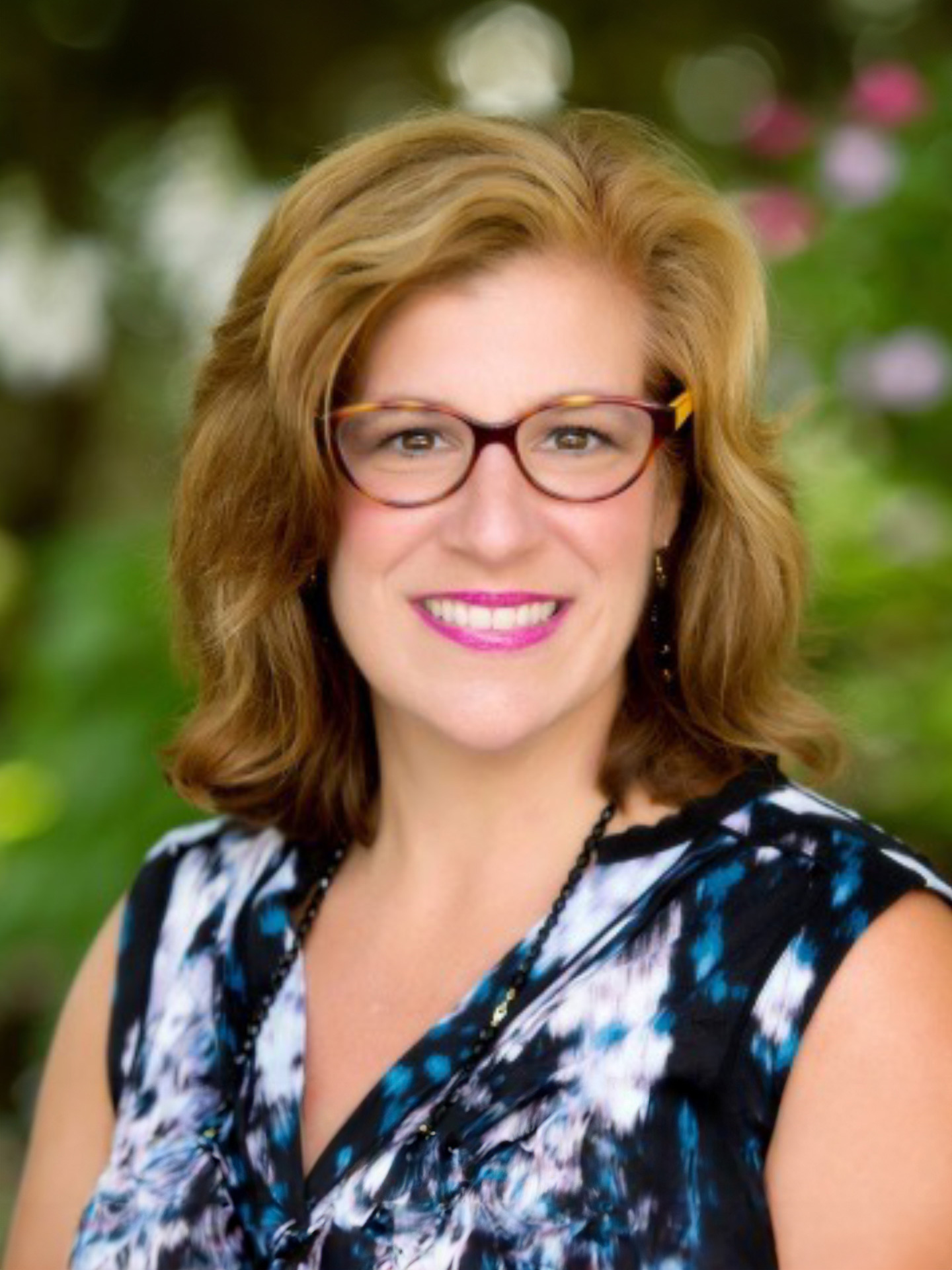
Have you ever had a family member who made poor decisions due to dementia or declining mental health and you felt powerless to change their mind or get some intervention? Have you ever had a child go to college and you couldn’t get information from the campus health clinic when they were sick? These are two common areas of concern I see in my work as a social worker of thirty years.
A wise elder law attorney I know regularly preaches the gospel of getting one’s estate documents in order before emergencies pop up. This is true for those of all ages, and not only for financial decision-making, but also for healthcare decision-making. The reality is that, as long as you continue living without a Durable Power of Attorney for Healthcare, the more likely you are to have your fate left to strangers who have no idea what your wishes are, and your family may not have any say in guiding your care if you need it.
In Missouri, a Durable Power of Attorney for Healthcare (DPOA-H) is free to download through the Missouri Bar Association.
This form must be notarized in the presence of two witnesses, and ideally copies should be given to your physicians and those you designate as your decision makers. In addition, the Missouri Bar includes a HIPAA Authorization form on their website, completely free of charge.
I realize that talking about death and dying is not everyone’s cup of tea. I firmly believe it is one of the best gifts you can give your family though, so they are not forced to make these stressful decisions without guidance or direction from you when you are unable to voice your own wishes. There is even a national effort called National Healthcare Decisions Day (NHDD) to create these documents every April 16th – where state and community groups across the country work to educate the public about completing advanced care directives like the Power of Attorney and HIPAA Authorization forms.
In the Greater St. Louis area, there are often sponsored events throughout the area for NHDD, where community members can receive free support from an attorney or social worker to help them complete these documents. Why April 16th? Well, there are few things certain in life: death…. and taxes. To those of us old enough to know the old adage, it helps remind us to get these advanced directives done on April 16th. It also serves as a reminder that we should check our directives annually to make sure nothing has changed.
I often encounter many family members who believe they can automatically make decisions for their loved ones, their children, or their spouses, just because they are family. Being a parent or a spouse does not automatically give you the ability to make decisions on behalf of your child or your spouse. Most hospitals are hopefully going to include a next-of-kin in discussions or decision making if there is no legal document in place. However, if there are opposing views or family members who do not get along, it becomes much more difficult for a physician or emergency team to implement wishes for a patient who may or may not have discussed their wishes with family prior to illness. Sometimes the stress of making life or death decisions can bring a person to a breaking point, and it most certainly can bring out every last bit of family dysfunction and conflict that exists.
I saw these scenarios play out time and time again while working in ICU and ER settings, and saw how essential it became to designate a primary decision maker, and then list a second and third backup where possible. Putting two people in equal power is often ill advised, unless you feel guaranteed that those two can reach the same decision. Likewise, if you have a known history of mental health issues, ask about a mental health directive where you can designate a trusted person to lead you to the help you need if your condition worsens.
Whether your 18-year-old is headed off to college or you have an elderly loved one whose care needs are increasing, a DPOA is a good idea. I often recommend that you choose an estate planning or elder law attorney to create these documents, and at the very least have them assist with a Financial DPOA to make sure it specifies powers and represents the assets you actually have, not the boiler plate financials that may or may not reflect your portfolio.
In the case of individuals who do not have family, or have few, if any, people they can trust, consider reaching out to our sister company, Decision Advocates, for a free consultation at (314) 200-5097. Decision Advocates provides legal decision-making services under Powers of Attorney for Healthcare or Guardianship. Decision Advocates staff is also happy to connect you to elder and estate planning attorneys in your area if you do not know where to go. This fall, as the holidays approach, you may have more time with family to discuss these issues that we all will eventually face. At the very least, consider National Healthcare Decisions Day in the coming year, and give your loved ones the peace of mind they need in a crisis.
From Canned Spinach to Trusting Their Gut: Teaching Kids Intuitive Eating
Angela Cook, MSW, LCSW
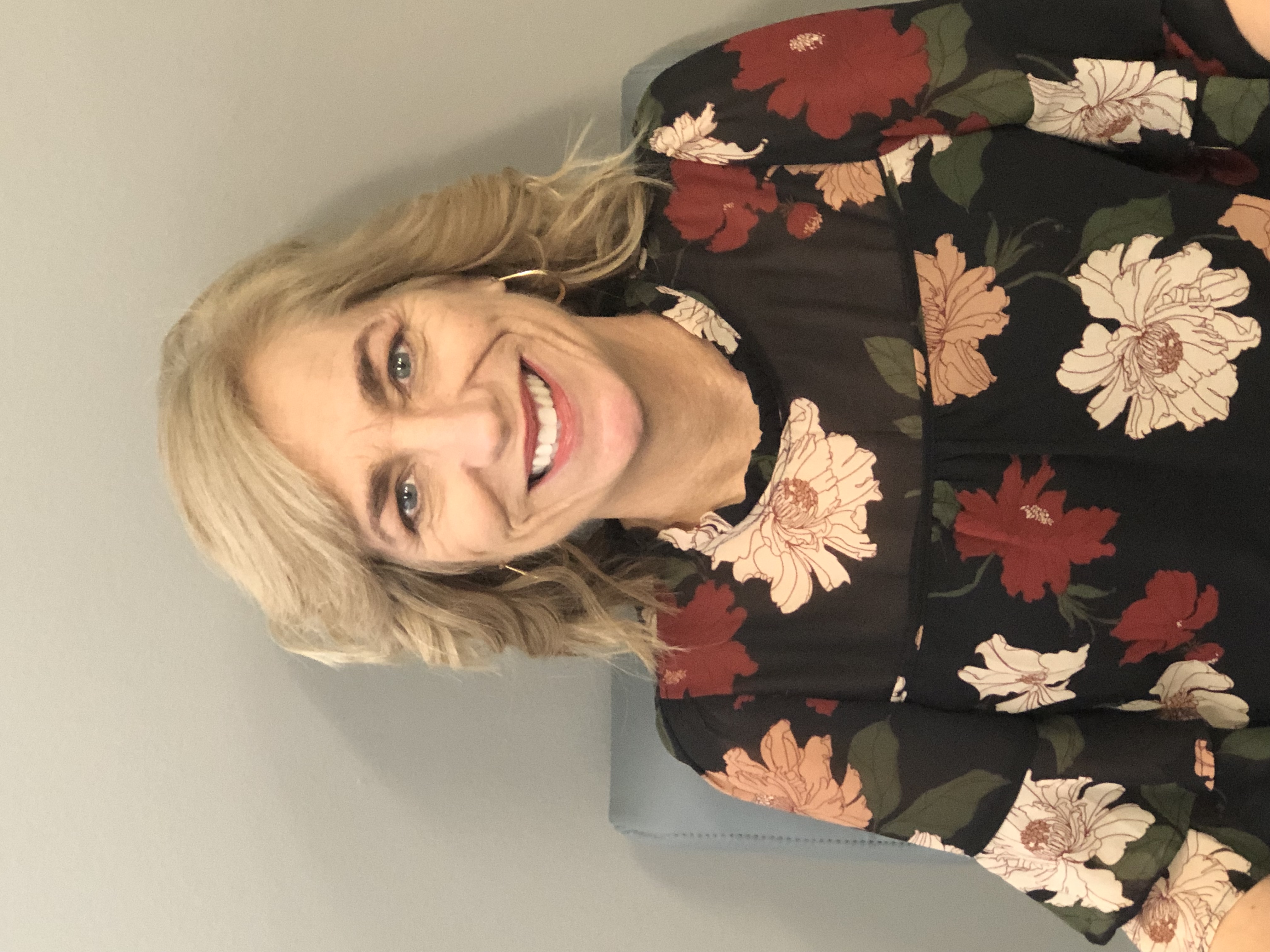
I remember the days of sitting at the kitchen table, staring at a cold pile of canned spinach. I couldn’t leave until it was gone – or slyly hidden under my plate. That was the way food worked back then: you ate what was served or lots of buttered white bread. You had to clean your plate, and feelings about hunger or fullness didn’t matter. Fast forward (more than) a few decades, and kids are being raised in a world saturated with diet and wellness culture, conflicting nutrition advice from TikTok, and constant pressure to eat this but not that. But what if the answer isn’t control—it’s learning to listen to one’s body?
We were all born with the ability to know when we’re hungry and when we’re full. Just watch a baby—they cry when they need to eat, and they turn away when they’re done. That’s intuitive eating in its purest form. But by the time kids hit preschool age, those cues start to get buried under food rules, distractions from screens, control issues, and outside messages. That’s where parents come in. As parents, we have the chance to protect and nurture that body awareness before it fades.
Intuitive eating—first coined by Elyse Resch and Evelyn Tribole, and supported by therapists like Judith Matz—gives us a simple but powerful framework to help our kids build a healthy relationship with food. Here’s the thing: it’s not our job to get our kids to eat a certain amount. Our job is to provide the food—the what and the when. Their job is to decide if and how much. That means offering a variety of foods: different kinds of proteins, carbs, fruits, and vegetables. (Some call it eating the rainbow.) It means providing some structure with regular meals and snacks, and letting them listen to their hunger. It also means not using food as a reward, bribe, or punishment. No more, “You can have dessert if you finish your broccoli.” No more shame if they ask for seconds—or leave food untouched. Dr. Phil once said something along the line of, “Kids will eat when they get hungry enough.”
Mindful eating also helps. We can try and help our kids slow things down and use their senses. By asking questions like, “What does the food look like?” “How does it smell?” or “What does it feel like in your mouth?” We can also talk about where the food came from. A carrot isn’t just good for your eyes—it grows underground, it’s crunchy, and it comes in orange, purple, and yellow. It’s important and helpful for food and mealtimes to be nurturing too. Even though dinner time can be hectic with busy schedules, sharing one meal (ideally daily) with no screens or pressure also helps nurture that positive relationship with food. (Even better when you start with a prayer or other family ritual.)
Teaching our kids simple hunger and fullness scales are important too. “Are you a little hungry, medium, or full?” Same with fullness: “Are you a little full, full, or stuffed?” Check in before, during, and after meals periodically. This helps build awareness over time. Sometimes kids snack right after dinner because they didn’t eat enough during the meal. Other times, it’s just a habit. That’s where routines like “the kitchen is closed” for one to two hours after dinner can be helpful—not as punishment, but to teach them to feel and understand hunger.
Some kids do better with mini-meals throughout the day, especially if they have certain types of attention challenges. Others kids need to be gently guided to tell the difference between hunger and other feelings, such as boredom, frustration, or anger. These are all body signals too; we just need to help them listen. And maybe the most important thing we can do is to reject diet culture—for their sake and ours. That means no talk of calories, “clean” eating, or “bad” foods. No talking about being “good” because you ate a salad or “bad” because you had dessert. Don’t talk about your weight in front of them, don’t make comments about theirs, and don’t use the D word! (diet) Model body positivity. Encourage movement that feels fun, not as a way to burn off food but as something that feels good.
We’ve come a long way from canned spinach. So remember, the goal isn’t to raise perfect eaters, it’s to raise kids who trust their bodies, understand their body’s cues, and enjoy food without guilt. And let’s face it, most of us are still learning this too. If we can give our children a head start for a positive relationship with food, by offering positive role-modeling, nutrient-dense food choices, and stepping back—that’s more than good enough! (Or that’s what really counts.)
Turning Self-Care into Family Time
Heather Hanvy, MA, CRC, LPC
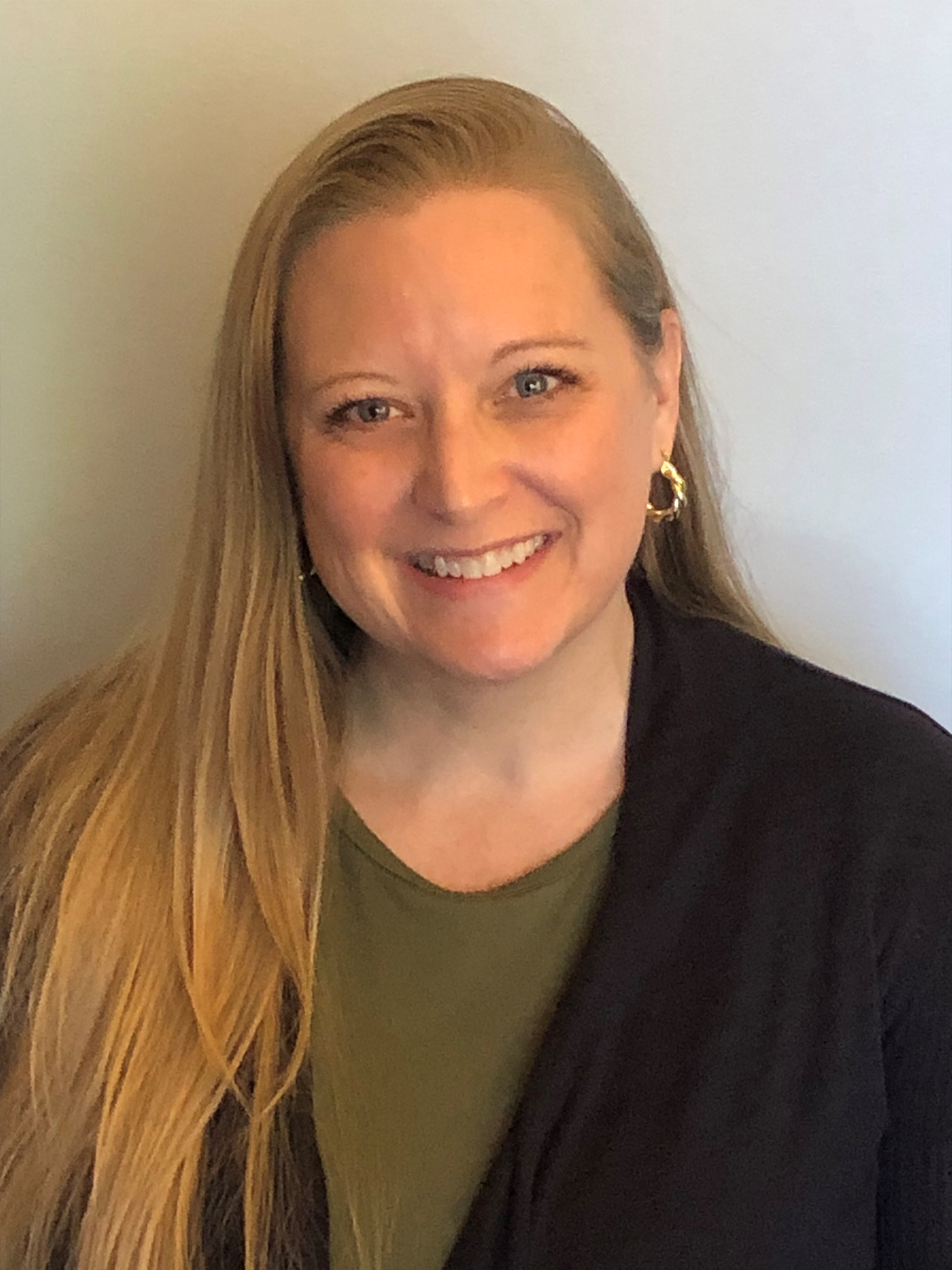
As parents and caregivers, we all want to see our children grow up to become healthy and happy adults. We know that, like adults, when our children are not actively working to manage stress, they may experience physical symptoms (headaches, trouble sleeping, or digestive problems) or psychological symptoms (changes in mood, irritability, trouble concentrating, or difficulty making decisions). We also know that in the long-term they may also be more susceptible to physical and mental illness. So, how do we help them manage their stress while we are also just trying to survive the daily stresses of our own lives?
One way could be to incorporate self-care strategies into our family routine. This approach would not only work to improve our children’s stress management skills, but could also reduce the stress of everyone in the family with an added bonus of creating space for enjoyable time together.
Before we move to creating a family plan, it might be helpful for us to have a better understanding of our own wellness habit strengths and areas for growth. We could start by reflecting on the things that we are already doing consistently to take care of ourselves (getting good sleep, getting regular exercise, eating a balanced diet, and spending time with friends/ loved ones) and in what ways we may be neglecting our own needs (not getting enough sleep, not getting regular exercise, not eating a balanced diet, not taking time to engage with friends/ loved ones). Many of us know in theory that we need to take good care of ourselves, but in practice it can be tough to do in the busyness of life. Taking time to understand our own needs can help motivate us and hopefully will make the idea of a family self-care plan even more exciting.
If the children are old enough to understand and participate, a great next step would be for everyone to sit down and have a discussion about the importance of self-care in maintaining our optimal health, so that we can manage stress and succeed in other important life areas, like work, sports, academics, friendships, etc. There are many resources available online including some great videos to help with explaining things. This may help with buy-in too, if that is a problem with any of our family members.
Then, we can sit down together to create a family self-care plan. There are many different self-care plan templates available online. Plans that incorporate several different areas of wellness are great, because they help us to think of new ideas to keep our self-care options varied and remind us to think of ourselves as whole people that have many areas that may require attention and care in times of stress. So, consider finding or creating a template that includes several of the areas of wellness. A few are the physical, intellectual, social, spiritual, and emotional dimensions of wellness.
Some examples of family self-care for these areas of wellness could be:
- Physical- play an outdoor sport or a take a hike together
- Intellectual- take a cooking class together, learn to play a new game as a family, or work together to complete a puzzle/ Lego set
- Social- consider volunteering together or attending local events
- Spiritual- attend faith services together or create a gratitude and/or reflection ritual for the family
- Emotional- share daily high and low emotional moments from the day with each other at dinner
Finally, we start spending time engaging in self-care activities together! Then, as parents and caregivers, we will know that we are not only managing stress now but also ensuring that our children have a multitude of self-care ideas and practice when they move into adulthood.
Principals of Catholic Elementary Schools are invited to join a
Principals’ Consultation Group
The work of Catholic elementary school principals is personally, professionally, and spiritually rewarding. But it can also be stressful and overwhelming at times, and feel lonely at the top.
In Principals’ Consultation Groups, Catholic school principals and a WCPA therapist meet to discuss challenges within our schools, share support, work to resolve concerns with students, families, or faculty members, and grow administrative skill through peer modeling and problem solving. This process helps in developing an environment of collegiality with other administrators, leading to a sense of feeling encouraged and empowered.
All information shared is strictly confidential.
Format: Groups meet monthly for ninety minutes.
Location: In-person meetings are held at the WCPA office, in Creve Coeur. Time: Groups meet at times convenient to their members.
Cost: $360 to join for the school year. Many principals use Title funds.
For information: Contact Donna Garcia at the WCPA office, 314-275-8599.
Comments from group participants:
“This is the only meeting I look forward to each month!”
“I absolutely love meeting with my principal group. They provide a comfortable, safe environment, allowing us to debrief and share what is on our minds and hearts.”
“I love the sense of community and support from this group.”